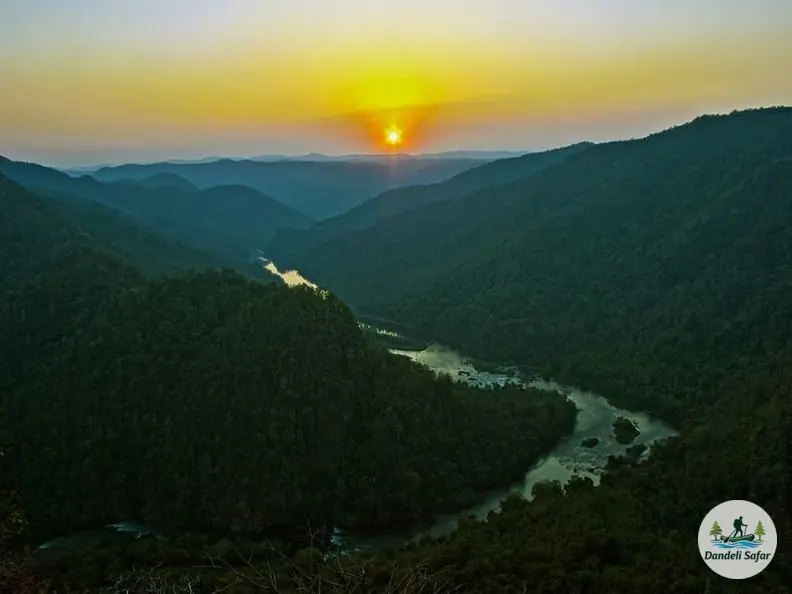
Nature walk through Western Ghats trails in Dandeli
Itinerary12 December 20259 min read

Dandeli 3-Day Itinerary: Relaxed Forest & River Plan

GuideItinerary

Dandeli 3-Day Itinerary: Relaxed Forest & River Plan

Dandeli Safar team welcomes you to plan this trip with our experts.

Share your dates and group size for a tailored stay, activities, and travel plan.

Plan with Dandeli SafarDandeli Safar team can tailor dates, stays, and activities for this theme.

This three-day Dandeli itinerary is a practical, low-stress framework designed to help travellers get the most out of a long weekend without feeling rushed. The preview below explains why splitting time across arrival, a dedicated river or activity day, and a forest-focused final day provides both variety and recovery windows—especially important for families, mixed-age groups, and anyone who prefers a relaxed pace. The full article includes sample start times, brief packing notes, tips to sequence meals and transfers, and contingency options if river or park permissions change. Day sequencing matters more than squeezing activities: reserve Day 1 for arrival, orientation and a gentle campus walk so you arrive rested for activity on Day 2. When the river is open, Day 2 becomes the primary water-focused slot—raft or coracle in the morning and return for a quieter afternoon. Day 3 shifts the focus to forest experiences: an early birding session, a short guided jungle drive, or a calm nature walk before checkout. Each recommendation includes realistic windows to plan around travel times so you reach activity start points in daylight and avoid rushed transfers. Practical logistics: target daytime arrivals to reduce stress, confirm activity slots 48–72 hours beforehand, and designate one person as trip coordinator to handle operator communications and group check-ins. Packing guidance emphasises layered clothing for cool mornings, quick-dry fabrics for river activities, a compact first-aid kit, and spare chargers. The guide also outlines sensible transport choices—private SUVs for luggage control or shared vans for budget travel—and suggests meal timing strategies so group energy levels match scheduled activities. Seasonal adjustments are covered in detail: if you travel during monsoon, pivot to waterfall and campus-based experiences; in cooler months, prioritise mid-morning outdoor blocks; and in warmer months schedule early morning or late afternoon slots to avoid midday heat. Safety and access notes include how to check river release status, what to expect from forest permits, and when to choose guided options over self-led walks for added safety. The article offers adaptions for different traveller types: families (simplified afternoons, kid-friendly activity choices), friends (one highlighted adventure with flexible recovery time), and corporate or training groups (structured light team sessions plus optional outdoor activities). It closes with a short post-trip checklist and sample itineraries that readers can copy, paste and edit for their exact dates—practical templates rather than promotional claims—ensuring the three-day plan is reproducible, safe, and tuned for comfort.

Why Three Days Feel Different from Two

With three days, travellers often feel less pressure to fit everything into a single full day.

You can keep one river-focused day, one forest or safari day, and a lighter arrival or departure day.

Day 1: Arrival & Orientation

Day 1 is about reaching Dandeli and understanding the campus.

  • Morning/Afternoon: Travel and check-in
  • Late Afternoon: Short nature walk or campus tour: /assets/activities/trekking.webp
  • Evening: Campfire and simple games or conversations: /assets/activities/bonfire.webp

Day 2: River or Water-Focused Day

When river levels and permissions allow, many visitors keep Day 2 for water-based activities.

  • Morning: Rafting slot when officially open or a structured water activity: /assets/activities/water-rafting-1.webp
  • Late Morning: Pool time or calm river viewing: /assets/activities/kali-river.webp
  • Afternoon: Rest and unstructured campus time
  • Evening: Light activity such as coracle ride or short walk

Day 3: Forest & Checkout

The final day can tilt towards forest experiences.

  • Early Morning: Jungle drive or focused birding session: /assets/activities/jungle-safari.webp
  • Mid-Morning: Breakfast, packing, and informal photos
  • Late Morning to Afternoon: Checkout and return journey

Customising the Plan by Season

Season strongly influences which days are best for which activities.

  • Summer: Prefer very early or late activity slots and more mid-day rest
  • Monsoon: Expect more focus on greenery, waterfalls, and campus time
  • Cooler months: Slightly more flexibility for outdoor blocks during the day

Frequently Asked Questions

Is three days enough to cover most of Dandeli?â–Ľ

Three days give most first-time visitors a satisfying mix of river, forest, and property time while still leaving reasons to return in another season.

Can this itinerary work for families and friend groups alike?â–Ľ

Yes, many groups adapt this structure with small changes in pace and activity mix. You can discuss your group's age range and comfort levels during planning.

How does this relate to trip cost planning?â–Ľ

Itineraries and cost guides complement each other. Cost posts explain how budgets usually form; this itinerary shows how time might be arranged.

Ready to Plan Your Dandeli Trip?

Get tailored dates, stays, and activity slots from the Dandeli Safar team.

Contact Us Now

Related Articles

Forest trekking through dense Western Ghats trails in Dandeli Wildlife Sanctuary

Dandeli Trip Cost for 3 Days: Practical Budget Planning Guide

This practical guide explains the components that typically shape the cost of a three-day Dandeli trip so you can plan a realistic budget without relying on outdated or fixed figures. Instead of listing a single price, the article breaks down common cost categories—travel and transfers, two nights of accommodation, daily meals and incidental snacks, core paid experiences such as rafting or jungle safaris, permit or park entry fees, and optional add-ons like guided treks or evening cultural programs. For each category the guide explains the range of choices that affect cost: from shared dorm-style or budget tent options to mid-range family cottages and higher-comfort villas with private amenities; from public transport or fuel-and-toll driven self-drive budgets to private transfer or chauffeur options that increase convenience but raise costs; and from pay-per-activity purchases to packaged activity bundles that can sometimes reduce per-activity marginal costs. The excerpt also offers actionable strategies to optimise spend while preserving safety and enjoyment: share transport across a group to reduce per-person fuel costs, prioritise one or two paid experiences rather than attempting every activity, and confirm what each property includes in its meal plans to avoid surprises at checkout. It warns readers about common hidden costs—peak season supplements, taxes or permit fees, equipment rental fees for water sports, and incidental costs for late checkouts or transport delays—and gives a checklist of questions to include when requesting a live quote from Dandeli Safar. There is guidance on how to assemble a clear enquiry: provide travel dates, approximate group size and age mix, preferred comfort level (budget/mid-range/comfortable), and a short list of must-do activities to get a tailored, itemised estimate. Finally, the guide provides a short scenario-based explanation showing how the same three-day plan might vary between a budget-minded group, a family seeking mid-range comfort, and a small celebration requiring more private or premium options. Each scenario lists the likely major line items and simple swaps that reduce cost without compromising safety—like choosing shared raft slots where available, avoiding peak holiday weekends, or booking mid-week where possible. The tone emphasises transparent planning and verification: always request a current quote, confirm inclusions and exclusions, and treat the cost guide as an operational checklist that makes budgeting for a 3-day Dandeli trip practical and stress-free.

Pristine Kali River surrounded by lush greenery suitable for rafting and kayaking

Dandeli Monsoon Guide: Lush Green Western Ghats Escape

Monsoon in Dandeli (June–September) transforms the landscape into its most vivid, green state and offers dramatic waterfalls, swollen rivers and a quieter tourism rhythm. This extended monsoon excerpt provides safety-first planning, realistic activity choices, and practical packing guidance so travellers can enjoy the season's unique character while minimising risk and impact on fragile terrain. Start with expectations and flexibility: monsoon brings heavier rain windows and shifting river levels that can pause or alter adventure activities. Confirm flexible booking or rebooking policies with providers, ask which activities typically run in wet conditions, and check whether core operators monitor river gauges or official advisories. Ask in advance for alternative programming options (covered nature talks, village visits or indoor workshops) so a rainy day still yields meaningful experiences. Packing and equipment protection are non-negotiable: quality waterproof covers or dry bags for cameras and electronics, high-traction footwear with good grip, quick-dry clothing and a compact rain jacket per traveller. For photographers we emphasise lens protection, silica packets in padded camera bags to reduce humidity issues, and simple rain-shields for tripods. Keep a small kit for equipment drying and battery management—the humidity impacts battery life and condensation, so rotate spares and store gear in dry bags when not in use. Operational changes under monsoon conditions are common and sensible: operators often favour shorter, supervised walks on safer trails, viewpoint drives that avoid exposed ridges, and riverbank sessions at secure locations rather than extended water runs. Always follow guide instructions about river-edge access and waterfall viewpoints—many obvious vantage points become hazardous at higher flows. Drive in daylight on ghat stretches whenever possible, allow extra time for slower roads, and maintain a clear line of communication with your pickup driver. Low-impact behaviour is especially important during monsoon: stay on marked trails to avoid creating erosion channels, avoid trampling delicate ground-cover and riverbanks, and carry back all rubbish—wet litter can more easily enter waterways and harm downstream habitats. Respect local communities whose agricultural rhythms can be affected by extra foot traffic during wet harvest windows. Who the monsoon suits: nature-minded photographers, repeat visitors who appreciate moodier landscapes, and travellers who value fewer crowds and lush scenery. Who should be cautious: those needing rigid itinerary timing, people with mobility issues, or travellers who cannot tolerate wet conditions. If in doubt, consider a shorter monsoon window or plan flexible activities that reduce exposure to rapid weather changes. The tone is practical and conservative: use the checklists and contingency swaps here to plan a monsoon visit that emphasises safety, supports local resilience, and enables responsible, weather-aware enjoyment of Dandeli's wet-season landscapes.

Sunrise view over misty Dandeli forest from hilltop viewpoint

Dandeli Road Trip Checklist: Car, Documents & Packing

A Dandeli road-trip checklist removes friction so you arrive rested and ready to enjoy the forest. This extended checklist focuses on vehicle readiness, essential documents, packing for comfort on the road and for a nature stay, and small pre-trip actions that reduce stress—like sharing ETAs with your host and verifying fuel stops for the last 80–100 km where services may be sparse. Use it to choose departure windows, plan brief stopovers and ensure everyone in the group knows where key items are kept. Vehicle readiness: Before a long drive, check tyre pressure and spare tyre condition, confirm engine oil and coolant levels, test wipers and lights, and ensure the battery and charging cables are in order. A quick mechanical check at a trusted service centre can prevent roadside hassles. Carry a small tool kit and a basic puncture repair kit if you plan remote-route driving. Documents and digital backups: Keep your driving licence, vehicle registration (RC), valid insurance and emission certificate accessible. If travelling with corporate or school groups, carry a list of IDs for all adults and a signed consent sheet for minors where needed. Use FASTag for tolls and keep a cash backup for small toll booths or rural payments. Save scanned copies of documents in a secure cloud folder for quick retrieval. Packing essentials for the drive: Pack refillable water bottles, healthy snacks, phone chargers and a power bank. Download offline maps or take screenshots of critical junctions. Keep a small first-aid kit, sanitizer, and a light blanket for unforeseen delays. If travelling in monsoon season, add rain covers and quick-dry clothing in an easily reachable bag. What to keep handy for your Dandeli stay: An easy-access day-bag should include closed footwear for trails, a light jacket, sunscreen, insect repellent, and basic medicines. Keep a torch or headlamp for movements after dark and a small waterproof pouch for phones and documents if you plan river-side activities. Travel timing and stops: Plan departure to avoid city rush hours and to make ghat driving in daylight. Short, regular stops for stretching and refuelling reduce fatigue and make the journey more sociable. Share arrival details with your property to aid smooth check-in and transfers. Why this checklist matters: Road-trip preparation improves safety and reduces cognitive load so you and your travel companions can focus on enjoying Dandeli’s landscapes. Use this checklist alongside route-specific travel guides to choose the timing and stops that fit your group’s pace.

Real Nature, Real Adventure

Explore Dandeli with Us

50% OFF White Water Rafting

Exclusive discount when booked with any resort package

₹600₹300/personSAVE ₹300