Wildlife and nature
Dandeli Wildlife Sanctuary
Dandeli Safar: resorts and river adventures in Dandeli.
- October to May
- Morning and evening slots
- Tickets on the spot
Short answer
The sanctuary and its safari
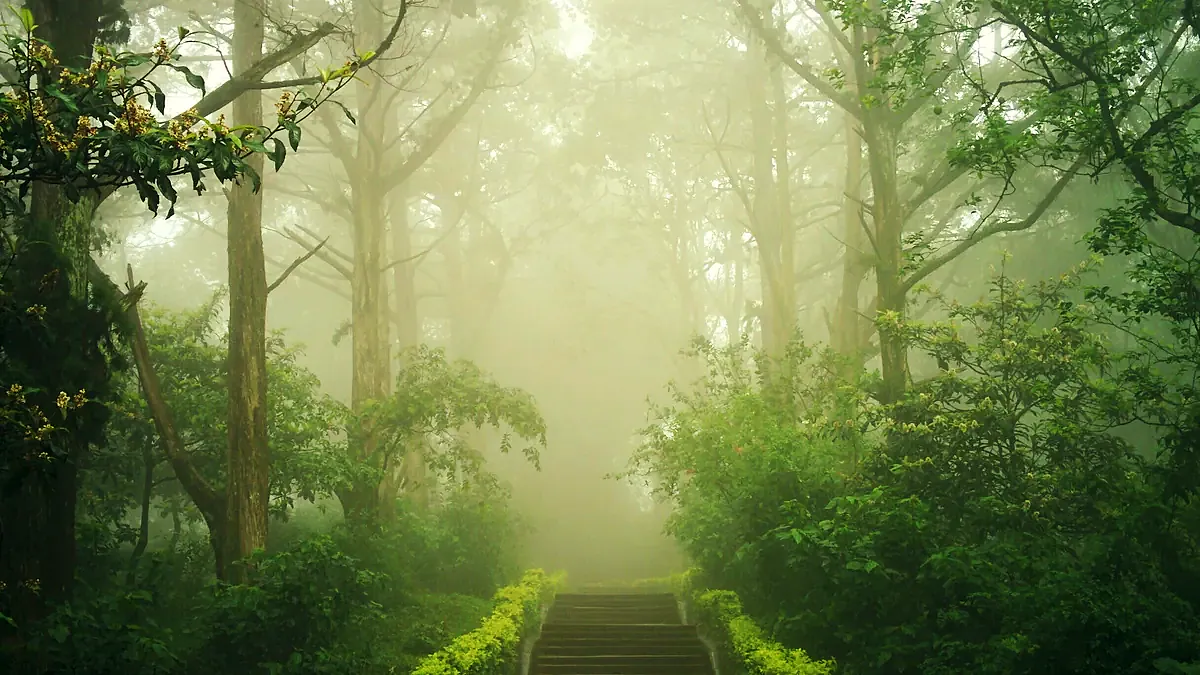
The Dandeli Wildlife Sanctuary is a protected area of evergreen and deciduous forest within the Kali Tiger Reserve. Jeep safaris run in morning and evening slots from October to May. The safari is a forest department activity: tickets are bought on the spot at the forest office.
- Season
- October to May, with peak bird watching in winter.
- Slots
- Early morning and late afternoon. Exact times are set by the forest department.
- Tickets
- On the spot at the forest office. Arrive early.
- Carry
- Valid photo ID, which is mandatory for entry.
- Protected area
- 834 km²
- Bird species recorded
- 300+
- Mammal species
- 40+
Tickets and timings
How the jungle safari works
The safari is run by the forest department and ticketed on the spot. Dandeli Safar helps you plan the day around it.
| Who runs it | The forest department, with its own guide and jeep. |
|---|---|
| Where tickets are sold | On the spot, at the forest department’s office. |
| Pre-booking | Not possible through a stay or through Dandeli Safar. |
| Fee | Paid to the forest department. It is not part of any stay package. |
| Morning slot | Early morning, roughly 5:30 to 9:00 AM. |
| Evening slot | Late afternoon, roughly 3:30 to 6:00 PM. |
| Season | October to May, with peak bird watching in winter. |
| Time to allow | 3 to 4 hours including travel and waiting. |
| What to carry | Valid photo ID. Arrive early, because slot availability on the day depends on the department. |
| Slot times | Exact times are set by the forest department. |
The forest
What you may see, and what is rare
These are the animals the reserve is home to. Sightings depend on season and are a matter of chance.
Big cats
Black panther and leopard, with rare tiger sightings in the reserve
Large mammals
Indian elephants near water sources, and gaur (Indian bison)
Birds
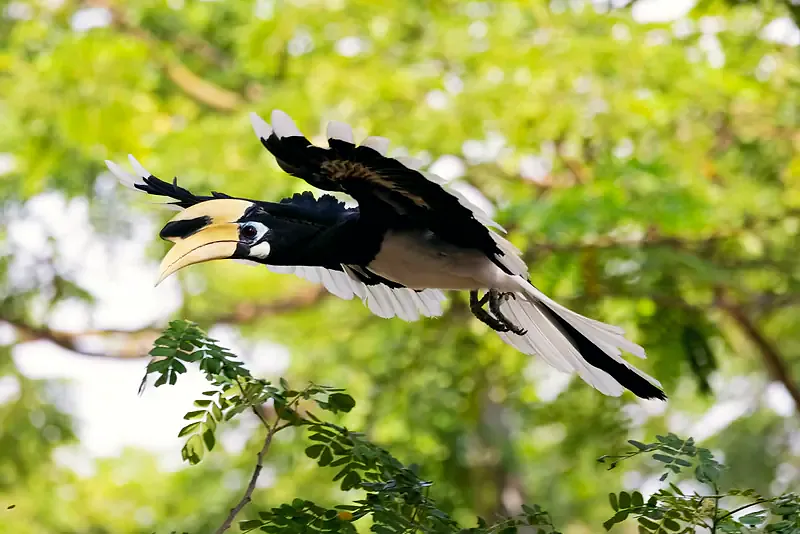
Great hornbill, Malabar pied hornbill, kingfishers and over 300 species
Forest dwellers
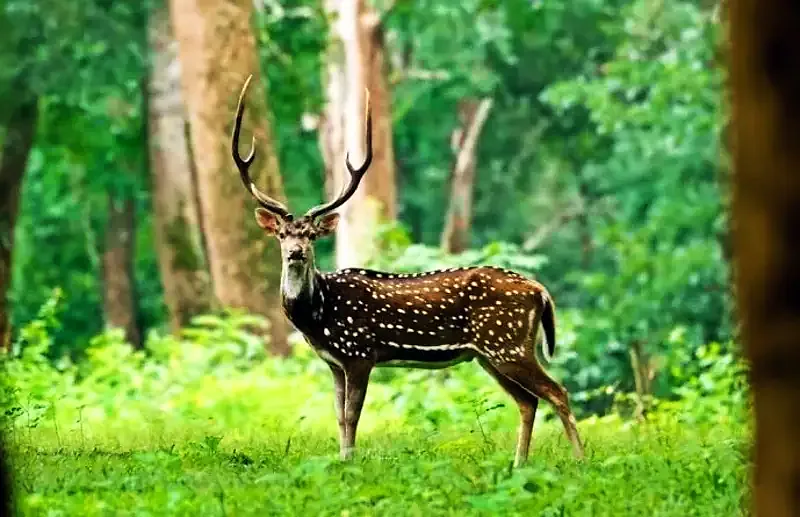
Sloth bear, sambar deer, wild boar and the Malabar giant squirrel
Reptiles and amphibians
King cobra, monitor lizards and frogs in moist forest zones
Butterflies
Dozens of butterfly species in the forest
| Setting | Within the Kali Tiger Reserve: a protected area of evergreen and deciduous forest. |
|---|---|
| Protected area | 834 square kilometres |
| Birds | Over 300 species recorded, including the great hornbill and the Malabar pied hornbill. |
| Mammals | Over 40 species. |
| Black panther and tiger | Rare sightings. |
Seasons
When to go
Safaris run from October to May. These cards describe each season in general terms; the conditions on the day are set by the forest department. Read the full guide to when to visit.
October to February
Winter season
Peak season- Temperature
- 15 to 28 degrees C, comfortable and pleasant
- Rain
- Minimal to none
For wildlife and trails
- Jungle safaris and wildlife watching, with animals near water sources
- Bird watching as migratory birds arrive
- Trekking and nature walks
March to May
Summer season
Off-peak season- Temperature
- 25 to 38 degrees C, warm to hot days
- Rain
- Occasional pre-monsoon showers
For wildlife and trails
- Early-morning and evening safaris in the cooler hours
Limited
- Midday trekking, which is too hot
June to September
Monsoon season
Nature-lovers' season, limited activities- Temperature
- 20 to 30 degrees C, cool and pleasant
- Rain
- Heavy; the landscape is lush and waterfalls run at full flow
For wildlife and trails
- Waterfalls at their peak flow
- Lush green forests
Limited
- Trekking, because trails are slippery and leeches are active
On the day
What to bring, and how to behave
What to bring
- Valid ID proof (mandatory for entry)
- Binoculars and a camera (no flash photography)
- Neutral-coloured clothing; avoid bright colours
- Water bottle, sunscreen and insect repellent
Treks
Guided treks are allowed in designated zones with forest department permission. Solo trekking is not allowed.
Do
- Plan ahead
Weekends and holidays are busier, so plan to arrive early on those days.
- Respect wildlife
Stay quiet, avoid sudden movements and never feed or provoke animals. Follow your guide.
- Keep noise low
Loud sounds scare animals away. Keep voices low and phones on silent.
- Leave no trace
Carry all litter back with you to protect the forest.
Don’t
- Do not litter
Never throw rubbish in forests, rivers or natural areas. Carry waste back and use bins. Plastic harms wildlife.
- Do not venture alone
Never trek or explore deep forest without a local guide. Dense forest is disorienting and wildlife encounters need expert handling.
- Do not disturb wildlife
No flash photography near animals, no loud noises and no food left out. Stay on marked trails in protected areas.
Stays that list bird watching or a nature walk
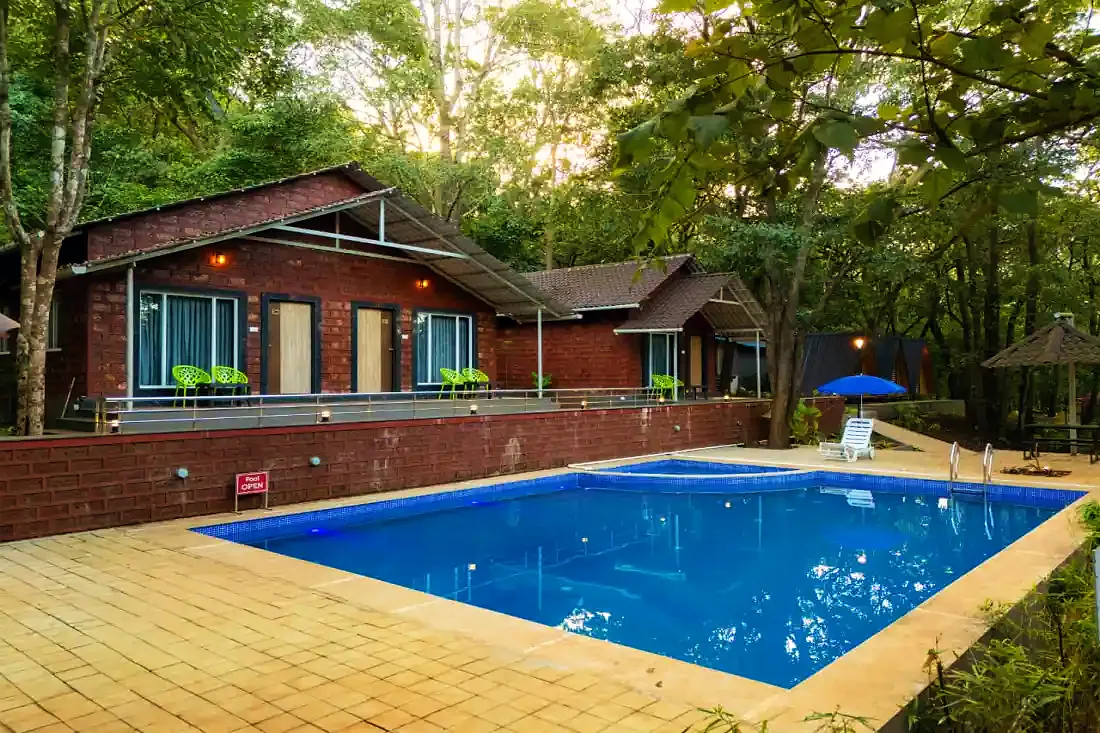
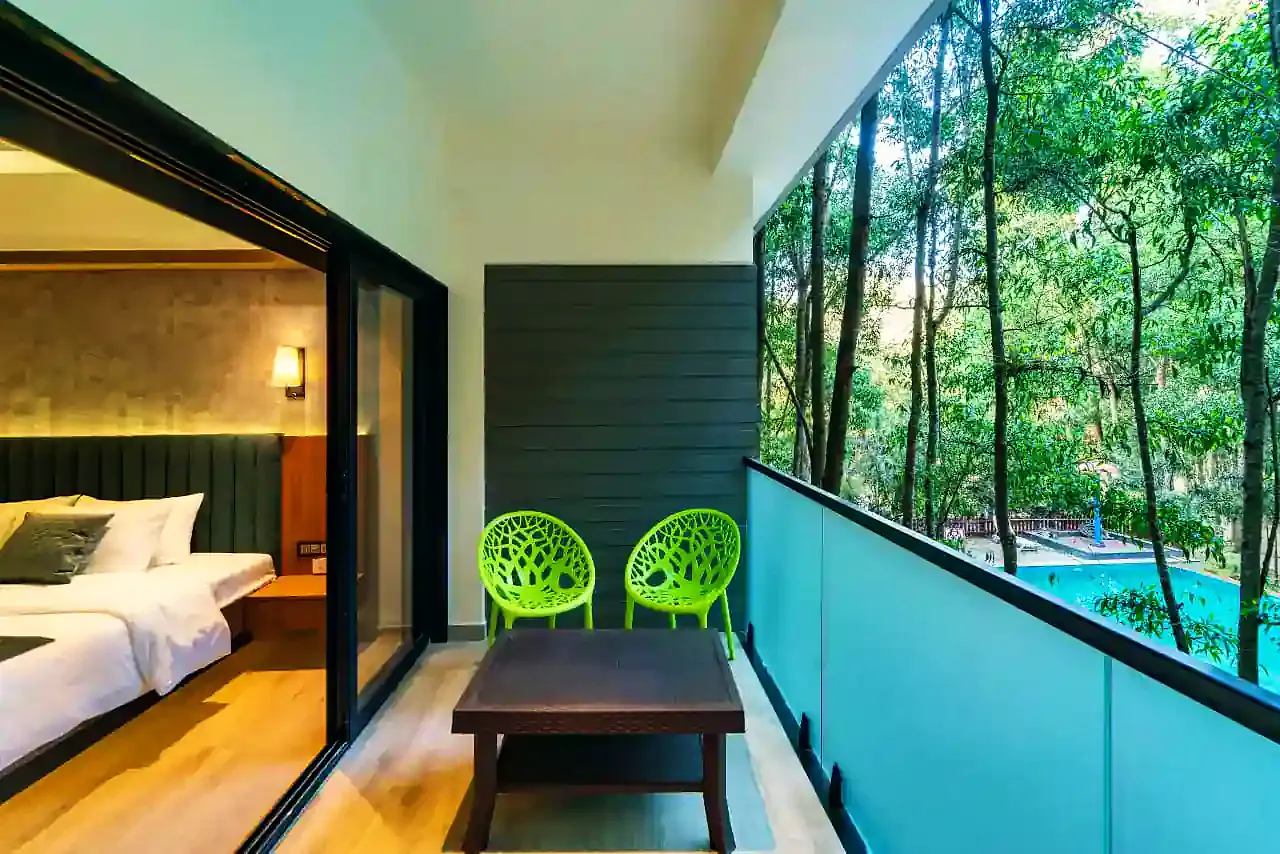
The safari itself is not part of any stay package.

Questions about the sanctuary
What animals can we see at the sanctuary?
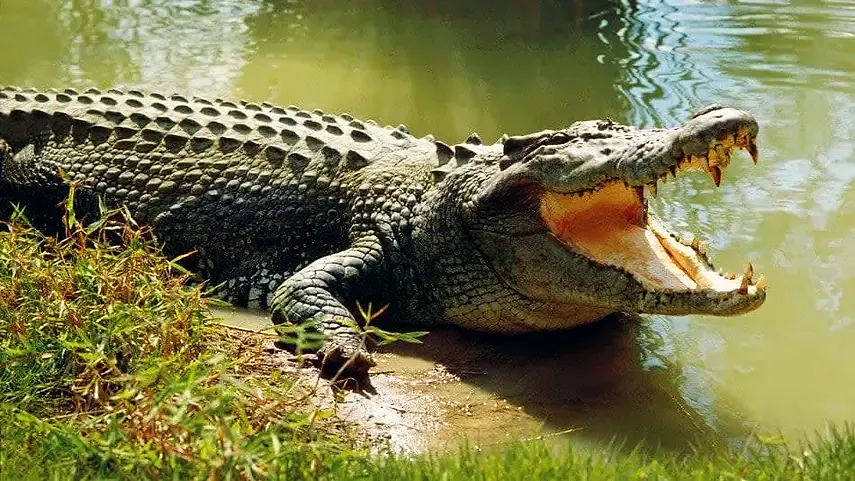
The reserve is home to black panthers, leopards, elephants, sloth bears, spotted deer, sambar, gaur, crocodiles and over 300 bird species. Sightings depend on season and are a matter of chance.
How do I buy a jungle safari ticket?
The safari is a forest department activity. Tickets are sold on the spot at the forest office. Carry valid photo ID. Arrive early, because slot availability on the day depends on the department.
When are safaris held?
Safaris run in early morning and late afternoon slots, roughly 5:30 to 9:00 AM and 3:30 to 6:00 PM, from October to May. Exact times are set by the forest department, so confirm locally. Winter months (November to February) tend to give more sightings, though none is guaranteed.
How are safaris run?
Safaris run in designated zones with a forest department guide. Follow the guide’s instructions, stay inside the vehicle, keep quiet and do not feed animals. Carry insect repellent.
Do I need a permit?
Entry permits are issued by the Karnataka Forest Department. Carry valid photo ID such as Aadhaar or a passport.
Can we trek inside the sanctuary?
Guided treks are allowed in designated zones with forest department permission. Solo trekking is not allowed.
Planning a wildlife day?
Tell us your dates and we will help you fit a safari around your stay and activities.
Daily, 9:00 AM to 9:00 PM.