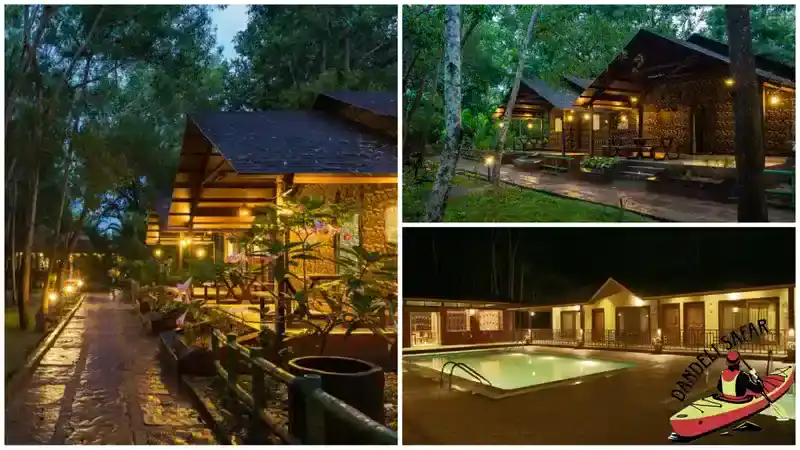
Dandeli Camping Guide: Tents, Glamping Domes, and Night Activities
This Dandeli Camping Guide is a field-ready, practical resource for families, groups and solo travellers who plan overnight stays near the Kali River and surrounding Western Ghats forestlands. The guide converts general advice into decision-focused checklists and contingency steps so readers can choose the right camping format—classic tents, glamping domes, or operator-backed hybrid options—based on comfort needs, group composition and seasonal constraints.
It begins with clear campsite-selection trade-offs: organised campgrounds prioritise convenience and sanitary facilities (toilets, potable water and staff support), while remote clearings offer solitude and require self-sufficiency (own shelter, water treatment and robust food storage). For shoulder months and unpredictable weather, raised platforms and semi-permanent domes provide better drainage and interior dryness; in wetter months, consider postponing open-air camping or opt for indoor cottage nights paired with an evening campsite experience.
Packing lists emphasise safety and comfort in simple terms: a weather-rated tent (or reservation of a dome), sealed sleeping bag and insulating pad, layered clothing for variable night temperatures, headlamp with spare batteries, personal first-aid kit, insect protection and a dry bag for electronics on river-facing nights. Kitchen and food guidance recommends fuel-efficient stoves, sealed containers, and strictly managing food waste to avoid attracting wildlife. Reusable cookware and careful waste segregation help keep campsites clean and reduce single-use plastics.
Operational checklists make runs and handoffs predictable: verify campsite permissions and local rules on fires, confirm emergency contact numbers and nearest medical facilities, request a staff briefing on night-safety and wildlife behaviour, and leave a written itinerary with a trusted local contact. Fire-safety protocols explain when a small, supervised, low-smoke fire is permissible (only in designated pits or with operator approval), how to fully extinguish embers, and how to store flammables safely away from sleeping areas.
For families and mixed-age groups the guide provides practical sequencing: arrive early for orientation, schedule low-effort late-afternoon activities (short nature walks, coracle rides), allow quiet/rest periods during midday heat, and plan supervised evening programs that are child-friendly. Hybrid stays—combining a resort night for comfort with a single campsite night—are recommended for first-time family campers, older travellers or groups with young children.
Safety and river awareness are covered in plain, actionable terms: avoid slippery river edges after dusk, know how to test current strength at appointed viewpoints, supervise children closely near water, and carry a basic river-safety kit. For minor injuries and insect-related incidents the guide lists first-response steps and clearly advises when to seek professional medical help. Photographers receive compact advice: prefer telephoto lenses, use silent camera modes, and respect minimum approach distances for wildlife photography.
The guide ties visitor behaviour to local conservation and community wellbeing: choose operators who follow forest department rules, tip responsibly to reward careful guiding, report rare sightings to reserve authorities through established channels, and engage in low-impact activities such as village eco-visits or guided bird walks when core zones are closed. Seasonality notes indicate best windows for camping (post-monsoon to early summer) versus times when river activities or treks should be prioritised.
The tone is factual and verifiable—no exaggerated claims or guarantees—and each section ends with a concise checklist or decision prompt so readers can quickly match options to their needs. The objective is to enable safe, comfortable and low-impact camping experiences in Dandeli while protecting habitats and supporting local livelihoods.