Forest trekking through dense Western Ghats trails in Dandeli Wildlife Sanctuary
Seasonal12 December 20259 min read

Dandeli Spring Guide: Pleasant Weather and Blooming Forests

GuideSeasonal

Dandeli Spring Guide: Pleasant Weather and Blooming Forests

Dandeli Safar team welcomes you to plan this trip with our experts.

Share your dates and group size for a tailored stay, activities, and travel plan.

Plan with Dandeli SafarDandeli Safar team can tailor dates, stays, and activities for this theme.

Spring in Dandeli is a period of fresh growth, pleasant temperatures and high natural activity; this extended guide outlines when to visit in spring, what the trail and river conditions typically look like, wildlife and birding windows to prioritise, and packing suggestions to enjoy the season fully. Spring light and mild temperatures make mornings and late afternoons ideal for walks, photography and interpretive outdoor sessions that showcase the forest's seasonal flowering and faunal behaviour. Season highlights: Spring brings emerging leaves, increased insect activity and many flowering understory plants that attract birds and butterflies. These months often yield excellent opportunities for early-morning birdwatching and mid-morning nature walks before the day warms up. Activity pacing and photography: Plan short, guided walks to cover productive habitat types like riparian edges and mixed-canopy ridgelines. Photographers find soft light around dawn and dusk ideal; keep a light tripod and a telephoto lens for quiet wildlife viewing. Bring a notebook or a simple species checklist if you are interested in tracking seasonal changes. Practical packing: Bring layered clothing for cool mornings and warmer afternoons, closed shoes for trails, insect repellent, and a compact rain layer for unseasonal showers. Hydration and sun protection remain important; pack a refillable bottle and sunblock even on mild days. Who should visit in spring: Spring suits photographers, birdwatchers and travellers who enjoy active walks without extreme heat or monsoon disruptions. Families can plan gentle morning activities and restful afternoons for a balanced trip that highlights seasonal natural history. Why spring matters: The transitional mood between cooler winter and humid summer gives Dandeli a delicate, flower-rich face in spring—plan for guided walks, timed photography windows and short interpretive sessions to make the most of the season's natural signals.

Weather Snapshot for Spring

March and April in Dandeli typically stay between 18°C and 30°C. Early mornings feel gentle, afternoons get warmer, and evenings return to a pleasant cool.

Humidity gradually increases compared to deep winter, but it is still lower than monsoon. Carry breathable clothes and a light layer for the night.

Spring-Friendly Activities

With skies largely clear, this is a versatile season to mix river experiences, treks, and campus leisure.

  • Nature walks to catch new leaves: /assets/activities/trekking.webp
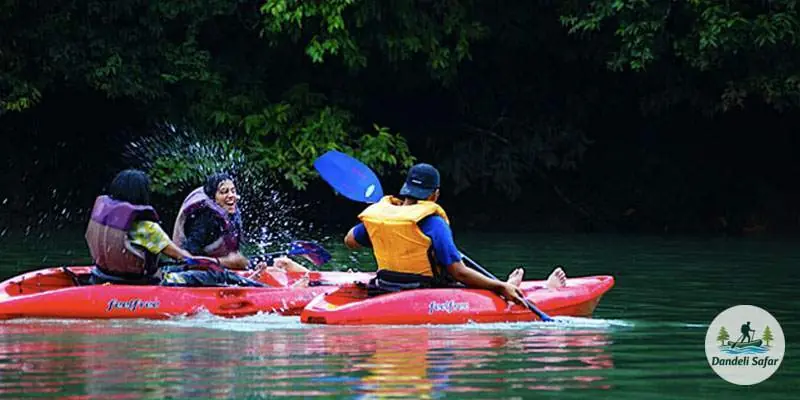
  • River activities like kayaking and coracle rides: /assets/activities/kayaking.webp
  • Early morning birdwatching before temperatures rise: /assets/activities/hornbill.webp
  • Short forest drives or safari slots to spot post-winter movement

Ideal Itinerary Structure

Spring trips feel best when there is breathing space between high-energy blocks.

  • Day 1: Travel, orientation walk, relaxed bonfire evening
  • Day 2: Morning activity (rafting when operational or safari), siesta, late afternoon trail
  • Day 3: Slow breakfast, photography session, head back

Packing Checklist

Pack for shifting temperatures and sunny afternoons.

  • Light cottons plus one thin jacket
  • Cap or scarf for open-boat rides
  • Comfortable shoes with grip for dry trails
  • Reusable water bottle and sunscreen

Who Should Visit in Spring?

Spring works for families, photographers, and travellers who want greenery without heavy rain.

  • Families planning post-exam treats
  • Couples celebrating spring festivals like Holi or Ugadi
  • Birders looking for clear light and active species
  • Office teams scheduling quieter offsites

Planning with Dandeli Safar

Share your preferred activity intensity, group size, and travel dates. The team suggests suitable stays, highlights, and backup ideas if temperatures spike.

Frequently Asked Questions

Does Dandeli feel hot during spring?â–Ľ

Afternoons can be warm, especially in April, but mornings and evenings stay pleasant. Planning key activities early in the day helps avoid heat.

Is rafting open in March and April?â–Ľ

Availability depends on river flow and permissions. Treat it as likely in parts of spring but always confirm during enquiry.

What makes spring different from winter trips?â–Ľ

You still get greenery and wildlife movement, yet there is more daylight and slightly higher temperatures, which suits travellers who enjoy longer outdoor hours.

Ready to Plan Your Dandeli Trip?

Get tailored dates, stays, and activity slots from the Dandeli Safar team.

Contact Us Now

Related Articles

White water rafting adventure on challenging Kali River rapids in Dandeli

Dandeli in March 2026: Weather, Activities & Complete Travel Guide

March in Dandeli is a transitional, high-opportunity month for travellers who want comfortable mornings for wildlife and pleasant afternoons for water-based activities; this extended planning excerpt turns seasonal patterns into explicit steps you can act on—from packing and bookings to daily pacing and contingency swaps—so your March itinerary is low-friction and resilient to weather or access changes. Start with timing decisions: schedule dawn safaris and birding walks between 6:00–8:30 AM to catch peak activity and cooler temperatures, keep mid-morning hours for rest or light cottage-based activities, and reserve late-afternoon windows for river photography, coracle rides or calm kayaking when light is favourable and winds are lower. If your travel overlaps festival dates such as Holi or Ugadi, book stays and activity slots several weeks in advance, and check with properties about any special programming so you can align expectations. Packing and health preparation emphasise adaptability: pack layered clothing for cool mornings and warm afternoons, sunscreen and a wide-brim hat for strong sun, quick-dry swimwear for water sessions, a compact first-aid kit, and electrolyte sachets for hot afternoons. Prefer daytime final legs over night-time ghat drives to reduce transit risk and ensure guests arrive rested for first-morning activities. Bookings should confirm exact transfer timings and written inclusions such as equipment, safety briefings and guide ratios so there are no surprises on arrival. Wildlife behaviour and activity planning: as sources of water contract in March, animals tend to concentrate around remaining pools, making short, repeat morning outings across multiple spots more productive than a single long session. For birding, schedule multiple 60–90 minute dawn walks across microhabitats; for photographers, prioritise golden-hour riverbanks and later-afternoon clearings. If a planned water activity is suspended due to fluctuating river levels, swap it for a guided nature walk, a village cultural visit, or an interpretive conservation talk to keep the day meaningful and low-risk. Family and accessibility notes: pick properties with shaded common spaces and pool access for warmer afternoons, request adjoining or ground-floor rooms for mixed-age groups, and disclose mobility or medical needs at booking so properties can allocate appropriate rooms and support. For solo travellers, coordinate meetup points with property staff and schedule group activities rather than private slots where possible to stay connected with other guests. The excerpt finishes with an actionable 3-day sample itinerary and a booking checklist—confirm activity times 48–72 hours ahead, request early check-in for dawn slots, and keep printed copies of transfers and emergency contacts. The tone is practical and conservative—no promotional claims—so you leave with a March trip plan that balances wildlife windows, safe water activities and comfortable downtime in Dandeli.

Kayaking adventure on calm stretches of Kali River in Dandeli backwaters

Dandeli in April 2026: Summer Adventure Guide & Weather Tips

April in Dandeli marks the start of summer and requires planning that balances sun-smart timing with the pleasures of early-season water activities. This extended guide turns seasonal advice into actionable steps you can apply immediately: schedule core activities for cooler dayparts (dawn and early morning for safaris and birding; late afternoon for riverside photography and coracle rides), reserve mid-morning and midday windows for rest, pool time or light indoor options, and confirm transfer windows that avoid long night drives through ghats. The plan emphasises safe pacing so you enjoy both river and forest without heat-related fatigue. Start by checking activity availability and river permissions for your exact dates—river levels can vary and some operators maintain seasonal restrictions. Pack a concise kit: multiple quick-dry outfits, a wide-brim hat, high-SPF sunscreen, a compact water filter or refillable bottle, and a small first-aid kit with electrolytes for hot afternoons. For photo and tech gear, use silica pouches for humidity, and carry a charged power bank as remote stays sometimes have limited charging points. Operational tips reduce friction: request early check-in if you plan pre-dawn starts, confirm whether breakfast schedules can be shifted earlier for activity windows, and ask properties about shaded pickup points to avoid midday exposure while waiting for vehicles. For families and mixed-age groups, designate one person to handle activity confirmations so the rest of the party can relax and not worry about logistics. Activity sequencing matters more than squeezing many attractions into a short window. Example micro-itinerary: Day 1 — arrive and settle, short evening coracle ride; Day 2 — dawn safari or birding, mid-morning rest, late-afternoon kayaking or riverside photography; Day 3 — flexible morning activity and departure. Keep one strong rest window each day and choose one feature activity as the day's focus, rather than multiple back-to-back high-energy slots. Safety and contingency: plan fallback low-effort options (short village visits, indoor interpretation talks or a relaxed cooking demo) if the heat or river levels change. Avoid promises about wildlife sightings—plan around habitats and behaviours and rely on local guides for the most productive vantage points. Finally, follow low-impact travel practices: carry out plastics, respect local signage, and align your plans with operator guidance to protect fragile riverside and forest areas. This April guide is practical, conservative and operational—use it to plan around heat, prioritise restful pacing and still enjoy memorable river and forest moments without unnecessary risk.

Pristine Kali River surrounded by lush greenery suitable for rafting and kayaking

Dandeli Holi 2026: Play Colors in Nature's Paradise

Holi in Dandeli brings local colour, simple community rituals and a chance to experience seasonal celebrations lightly and respectfully in a rural setting. This expanded excerpt is an operational primer for travellers who want to join Holi weekend activities without disrupting local life: how to choose eco-friendly colours, confirm whether events are public or organised by a resort, schedule travel to avoid peak congestion, and plan simple post-play clean-ups so rivers and village commons remain free from synthetic residues. Plan well in advance—Holi weekends often draw families and small groups from nearby cities, so book stays early and confirm activity programming. Ask whether properties offer supervised family zones for colour-play, quieter hours for senior guests, and design-led activities such as local music, simple dance sessions, or community food sharing where guests can respectfully participate. For photographers, get explicit permission for portraits and avoid photographing children without parental approval. Safety and sustainability are central: prefer plant-based or edible powdered colours and avoid synthetic chemicals that can irritate skin or pollute water. If you buy locally, check ingredient labels or buy from recommended local producers; if you bring colours, choose biodegradable mixes. Plan for post-event clean-up—carry small dustpans, washable cloths and a few spare garbage bags, and agree with staff on a disposal plan that does not enter natural drains or rivers. Travel and logistics: expect heavier traffic and fully booked transfer windows during festival weekends. Add buffer time to all transfers, confirm pick-up coordinates and driver contacts the day before, and consider splitting long drives across daylight hours rather than an overnight push. For mixed groups, schedule quieter alternatives during the late afternoon (nature walks, shaded crafts, or a short conservation talk) so guests who prefer less sensory stimulation have meaningful options. > Quick Holi checklist: book accommodation early; favour eco colours; confirm supervised family zones; pack a spare towel and quick-dry clothing; label valuables; plan extra transfer buffers; and coordinate a waste collection plan with property staff. The tone is respectful and non-promotional: these practical steps help travellers experience Holi in Dandeli as a cultural exchange that favours community consent, low environmental impact and considerate behaviour around shared public spaces.

Real Nature, Real Adventure

Explore Dandeli with Us