Discover the coracle ride as a low-impact, culturally rooted way to explore calm stretches of the Kali River backwaters. This detailed summary explains what to expect from durations and pricing through to safety briefings, seasonal slot choices, and how coracles fit into the local economy. Readers will find practical advice on selecting sunrise or sunset rides for birdlife and photography, packing recommendations to protect electronics from splash, and family-focused notes describing life jacket policies and weight distribution procedures operators use to keep children and non-swimmers safe. The excerpt also covers cultural context: how coracles are traditionally woven and repaired by local communities, why supporting licensed boatmen matters, and how to show respect during interactions at riverside landing points.
The guide expands on operator practices—how bookings are commonly handled, the difference between shared and private bookings, and recommended lead times for peak months. It covers seasonal caveats, noting when higher river flows due to monsoon may prompt rescheduling or alternative launch points. Accessibility suggestions include seating arrangements for seniors and parents with toddlers, and advice on navigating muddy jetties safely. For photographers and naturalists the excerpt highlights likely wildlife encounters and where to position for reflections and backlit bird shot compositions.
Finally, practical pairing ideas show how coracle rides work with short riverside treks, nearby market visits, or an afternoon of canoeing and sight-seeing, enabling low-effort yet culturally rich half-day experiences.
Practical stewardship notes close the summary: always confirm that operators follow licensing norms, carry a small first-aid kit for cuts or insect stings, and prefer operators who brief guests on local wildlife zones. If you wish to photograph boatmen at work, ask permission and consider offering a small token purchase to acknowledge their time. For planning convenience, check available slots in advance and inform your resort or booking coordinator if your group needs special seating or language support.
How Coracle Rides Work
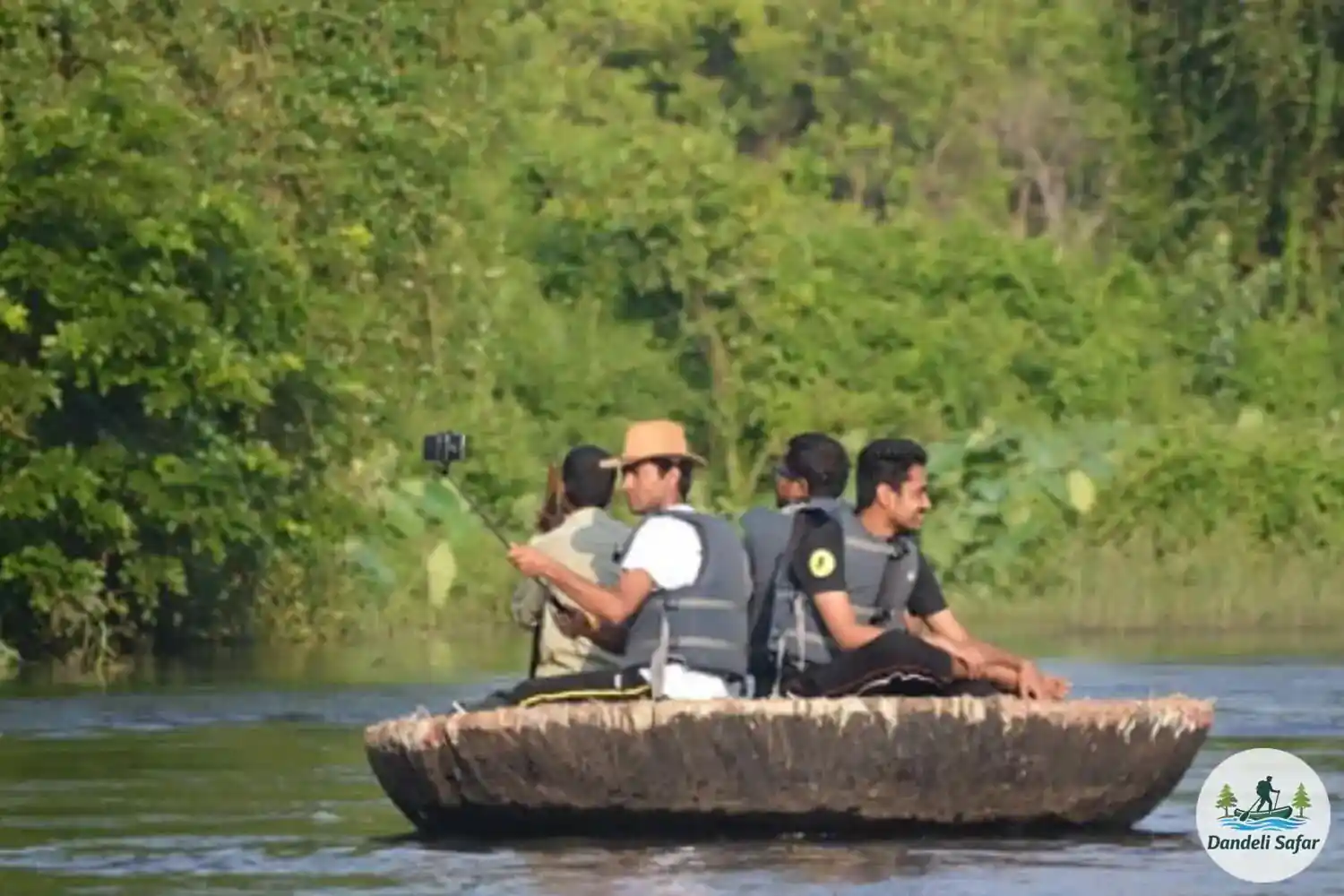
Trips last 30–45 minutes on gentle backwater stretches near Ganeshgudi, Maulangi, or Supa Dam. Boatmen steer using a single paddle while narrating forest trivia or spotting crocodiles basking on distant banks.
Pricing and Slots
Pricing depends on stretch, season, and whether you book through a resort or as a standalone traveler - contact us for current rates.
- Sunrise rides show mist-covered water and lively bird calls.
- Sunset slots glow golden, ideal for photographers.
- Combine coracles with nature walks or island picnics for half-day experiences.
Safety Protocols
Even though waters stay calm, operators provide life jackets and brief guests about sitting posture and balance. Children receive smaller jackets, and weight distribution is checked before launch.
- Sit cross-legged or with feet tucked under seats to maintain center of gravity.
- Do not lean overboard or trail hands in the water, especially near crocodile zones.
- Carry waterproof covers for phones if you plan to shoot videos.
Cultural Angle
Coracles (locally called harigolu) are woven from bamboo, coated with waterproof resin, and maintained by local fishing communities. Choosing this activity supports traditional livelihoods alongside eco-tourism.
Booking and Add-ons
We coordinate time slots through licensed operators and align transport so you reach the jetty on schedule. Add tea breaks at riverside shacks or sunset high-tea spreads for private groups.
- Share if seniors or toddlers are part of the group so we can allocate calmer sections.
- Request bilingual boatmen if you prefer narration in Kannada, Hindi, or English.
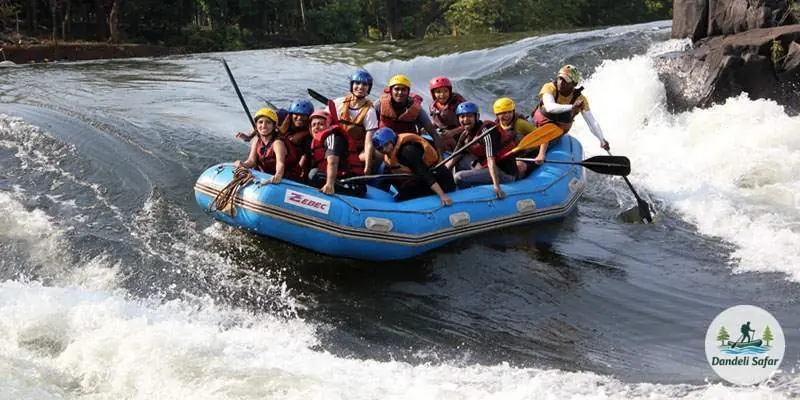
- Combine with kayaking or zipline packages to maximize the same day.