Pristine Kali River surrounded by lush greenery suitable for rafting and kayaking
Planning12 December 202512 min read

Kali River Guide: Activities, Ecology, and Riverside Stays

Guide

Kali River Dandeli: Complete Guide

Kali River guide - activities, viewpoints, and safety basics.

Match activities to season, wear PFDs, and respect flow zones.

View Kali guideDandeli Safar team can tailor dates, stays, and activities for this theme.

The Kali River is the lifeline of Dandeli—powering adventure activities, shaping riparian habitats and creating riverside stays that invite quiet observation as well as active water sports. This extended preview acts as a practical primer for travellers who want to plan eco-friendly, safe and well-timed experiences along the Kali: where to paddle, which stretches run rafting batches, how dam-release schedules affect flow, and what to ask operators about safety and permits. It begins with an accessible map of activity zones—Ganeshgudi as the main rafting launch and birding corridor, Maulangi for coracle rides and scenic picnic spots, Supa backwaters for calm kayaks and SUPs, and downstream viewpoints for photography and river ecology observation. Seasonality and flow management are central topics: controlled releases from Supa Dam create windowed opportunities for rafting, while monsoon volumes temporarily close some activities for safety. The article explains how to check flow windows, plan morning or afternoon sessions to match operator schedules, and build buffer time into travel plans to avoid night-time ghat driving. It also includes practical guidance on equipment—quick-dry clothing, secure footwear, dry-change bags and reef-safe sunscreen—and a recommended packing checklist aimed at families and mixed-ability groups. Ecology and low-impact behaviour are emphasised: the guide describes river-dependent species such as mahseer, otters and riparian birds and explains why avoiding litter, using biodegradable sun protection and choosing guided activities helps protect water quality and fish habitats. For anglers, the excerpt clarifies that regulated permits are usually required for mahseer fishing and that legal options should be confirmed well before travel. For photographers and birders, distance and timed-observation tips help capture images responsibly without disturbing wildlife. Logistics cover riverside accommodation choices—from rustic cabins and jungle camps to boutique homestays—plus sample combo itineraries that balance rafting or kayaking with restful riverfront time. The article provides contingency swaps if water releases change—shorter paddling routes, coracle experiences, or additional birding—and closes with a brief operator checklist to use when booking: operator certification, included safety gear, shuttle arrangements, group size limits, and refund policies for weather or flow cancellations. The tone is practical and agent-oriented: no promises about river conditions, just clear steps to plan safe, enjoyable and conservation-minded visits along the Kali River.

River Overview

The Kali River originates near Diggi in Uttara Kannada and winds through Dandeli before emptying into the Arabian Sea at Karwar. Hydel projects such as Supa Dam create controlled flows that power rafting and sustain backwaters.

Activity Map

Different stretches cater to different moods.

  • Ganeshgudi: rafting launch, birding boats, riverside stays
  • Maulangi: coracle rides, picnic lawns, sculpture rock
  • Supa backwaters: kayaking, SUP, and sunset cruises
  • Kadra tailrace: photographic viewpoints en route to Karwar

Ecology and Conservation

The river supports mahseer fish, otters, and riparian birdlife. Stick to guided activities, avoid littering, and use reef-safe sunscreen to protect water quality.

Best Season

Post-monsoon to early summer (Oct–Apr) offers balanced flow for both adventure and leisure. Monsoon months showcase dramatic volume but some activities pause for safety.

What to Pack

Essentials to bring for a comfortable and eco-friendly Kali River experience.

  • Quick-dry clothing and sandals
  • Waterproof pouch for devices
  • Reusable bottles—single-use plastic is discouraged /assets/activities/trekking.webp
  • Light jacket for breezy evening cruises

Riverside Stay Ideas

Choose between cabin-style resorts in Ganeshgudi, jungle camps near Maulangi, or boutique homestays overseeing the backwaters. Share your group size and preferred vibe so we allocate the right property.

Sample Combo Itinerary

A suggested itinerary to experience the best of Kali River activities and stays.

  • Day 1: Arrival, sunset coracle ride, bonfire dinner
  • Day 2: Morning rafting, afternoon birding cruise, night trail
  • Day 3: Kayaking session, brunch, depart via scenic viewpoints

Frequently Asked Questions

Is swimming allowed in the Kali River?â–Ľ

Only in designated safe zones under guide supervision. Currents vary and dam releases can change depth quickly.

Can I fish in the river?â–Ľ

Angling requires special permits because the river protects native mahseer. Share interest ahead of time so we can advise legal options.

Are there cruises for seniors?â–Ľ

Yes. Calm-boat cruises on the backwaters accommodate senior travellers with seating, shade, and life jackets.

Ready to Plan Your Dandeli Trip?

Get tailored dates, stays, and activity slots from the Dandeli Safar team.

Contact Us Now

Related Articles

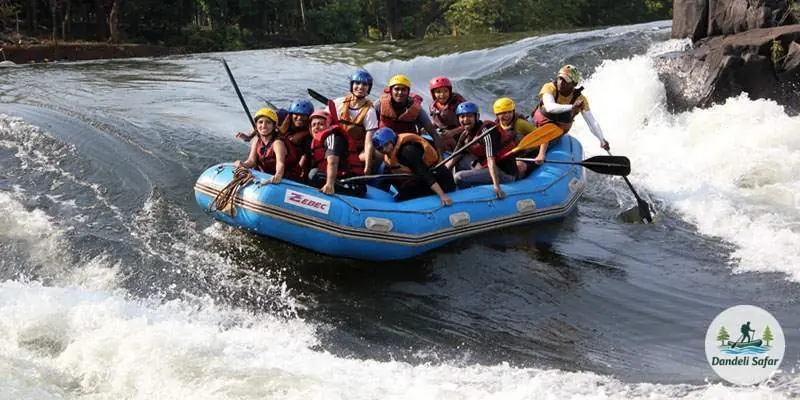
White water rafting adventure on challenging Kali River rapids in Dandeli

Dandeli Rafting Complete Guide: Flow Windows, Slots, and Safety

This complete rafting guide for Kali River is a practical briefing for travellers planning a river run in Dandeli. The extended preview clarifies how rafting operates (controlled water releases, batch timings and safety briefings), how seasonal flow windows influence scheduling and difficulty, and what operational checks to run before your travel date. It focuses on actionable preparation—what to pack, who should avoid rafting, and how to choose a slot that matches your group's comfort level—without making promises about specific river conditions on any given day. Key planning points include understanding the flow window: rafting depends on scheduled releases from the dam and forest department permissions; these create discrete batches during which operators transport groups to the launch point and run a guided section of the river. Typical end-to-end timings range from 2.5 to 3 hours including briefing and shuttles. Morning slots are commonly preferred for cooler weather and smoother water; late afternoon batches are conditional on light and flow. Safety and eligibility are covered in detail: mandatory life jackets and helmets, minimum age or height considerations, medical restrictions (back/heart conditions and pregnancy), and the rescue protocols operators follow. The guide provides an equipment checklist—quick-dry clothing, secure footwear, waterproof pouches for essentials, and a dry-change bag at the finish point—and explains the role of the guide during commands and rescue drills. Booking and contingency planning are practical priorities: reserve slots 1–2 weeks ahead during peak season, confirm group size and any medical notes with the operator, and ask about refund or reschedule policies for high-flow or low-flow shutdowns. If rafting is unavailable, the guide suggests alternate water activities—kayaking short stretches, coracle rides, or river viewpoint visits—that keep the day engaging. The full article also includes recommended on-site behaviours for non-swimmers, camera policy guidance for helmet or body mounts, and a brief troubleshooting section for cancellations. It aims to equip first-timers and experienced paddlers alike with clear expectations, sensible packing, and coordination tips to make the rafting day safer and more predictable—not by promising outcomes, but by improving the planning around the river run.

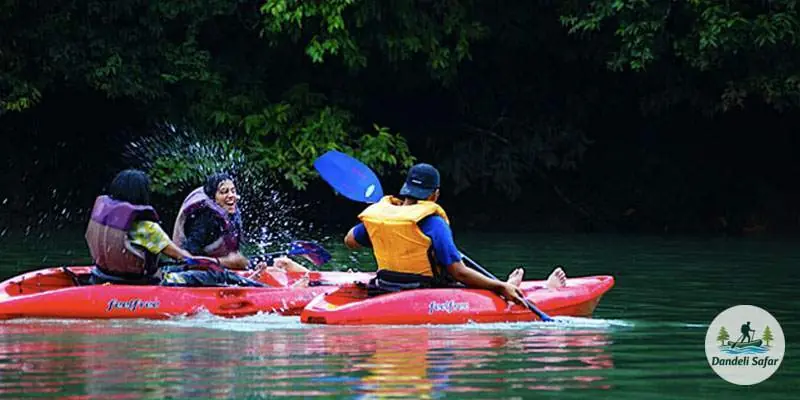
Kayaking adventure on calm stretches of Kali River in Dandeli backwaters

Dandeli Kayaking Guide: Calm Backwaters, Gear, and Skill Levels

This Dandeli Kayaking Guide provides a location-and-skill-focused primer for paddlers who want safe, repeatable and scenic experiences on Kali River backwaters and calm resort lakes. The guide distinguishes sheltered, beginner-friendly stretches from longer, intermediate loops and explains when sessions move from tranquil paddling to guided downstream runs—so readers understand both what operators provide and what personal preparation makes a paddling day comfortable and secure. We open with clear location maps: sheltered backwaters near Ganeshgudi and Supa for first-timers, Maulangi Eco Park practice lakes for technique work, and longer downstream connectors for confident paddlers when official flow and operator permissions allow. For each stretch the guide lists typical current patterns, expected scenery, likely wildlife encounters and safe exit points so paddlers can plan trip durations and photographic stops. Skill-level guidance separates basic stroke technique, effective bracing and re-entry practice (for novices) from route-reading and group coordination strategies (for intermediate paddlers). Safety protocols are explicit: always wear a buoyancy aid, secure a lanyard for small items, follow instructors' commands, and confirm weather and flow conditions immediately before launch. Children and less confident paddlers get specific advice on seating choices and paired paddling for extra stability. Packing and kit management covers both operator-supplied items and personal comfort pieces: quick-dry clothing, secure strap sandals, waterproof phone pouches, hydration and sunscreen, small repair kits and a reliable dry bag for electronics. We outline minimal rescue signals, basic water-rescue awareness and how guides use safety boats to monitor groups. For photographers, the guide suggests lens choices, bean-bag setups for coracle or kayak edges, and low-profile camera tethers. Operational sections explain booking best practices—disclose prior experience, ask about guide-to-guest ratios, and confirm transfer timing and pickup coordinates. Seasonal notes clarify when calm pockets reopen after monsoon and why certain downstream runs remain closed for safety at higher flows. The tone is practical and non-promotional: readers get checklists, decision prompts, and contingency recommendations so kayaking in Dandeli remains an enjoyable and low-risk adventure.

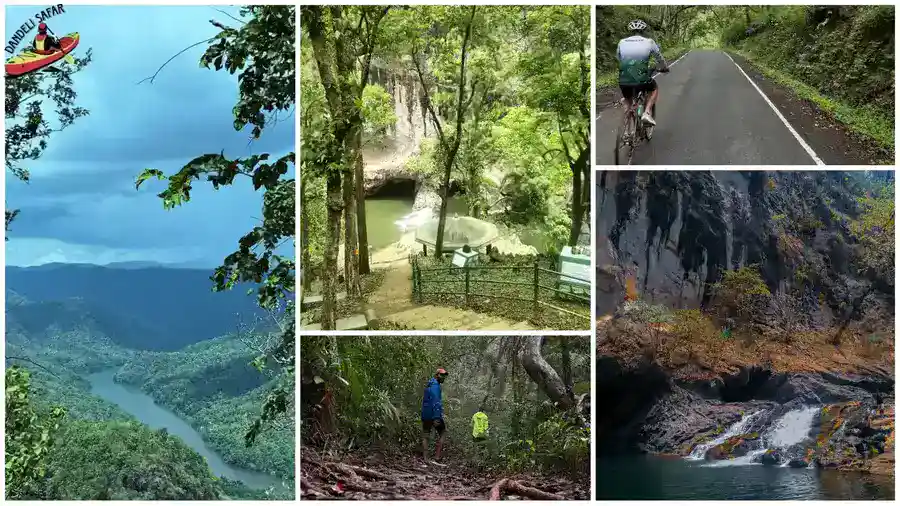
Trekking and cycling adventure near Syntheri Rocks in Dandeli forest

Dandeli Waterfalls Guide: Syntheri Rocks, Sathodi, and More

Dandeli's waterfalls—from the basalt gorge at Syntheri Rocks to the curtain-like Sathodi and the twin drops at Magod—present distinct options for different interests and abilities. This long-form excerpt equips travellers with season-aware planning, realistic logistics and safety-first checklists so a waterfall visit is memorable without being risky. Start by matching goals to access: short, accessible viewpoints and interpretive boards at Syntheri suit families and geological curiosity; Sathodi is better for photographers and half-day excursions; Magod and more remote cascades need longer drive times and sturdier footwear. For each waterfall the text explains approximate travel time, trail difficulty, likely on-site facilities, and the best seasonal windows for viewing without compromising safety. Seasonal strategy matters: post-monsoon and winter (October–February) usually balance scenic flow with safer trails; peak monsoon months carry dramatic water volumes but may prompt temporary closures or require guided access. The excerpt provides explicit safety checklists—stay behind barriers at high flow, wear shoes with grip, avoid swimming in unpredictable pools, follow forest-guard instructions, and carry a basic first-aid kit. For travellers who prioritise photography it offers technical tips (use ND filters for silky water, protect gear from spray with simple covers, and arrive early for softer light) and a recommended lens set for common waterfall compositions. Logistics and on-the-ground notes reduce friction: prefer daylight travel for ghat sections, combine nearby falls into half-day loops to avoid long drives, and check with operators about restroom or refreshment availability at each site. The guide suggests substitution ideas for mixed-ability groups—viewpoints and short boardwalks that give waterfall perspectives without steep descents—and explains how to coordinate transfers so drivers know where to wait and how long walks take. The excerpt closes with itinerary templates and an actionable packing checklist (non-slip footwear, light rain cover, water bottle, quick-dry clothing, camera protection, and a printed map or offline directions). The tone is factual and repeatable—no promises, only operational clarity—so travellers can choose the most suitable waterfall for their group, prepare properly for seasonal and trail conditions, and coordinate with resorts or guides to ensure a safe and rewarding waterfall experience near Dandeli.

Real Nature, Real Adventure

Explore Dandeli with Us

50% OFF White Water Rafting

Exclusive discount when booked with any resort package

₹600₹300/personSAVE ₹300