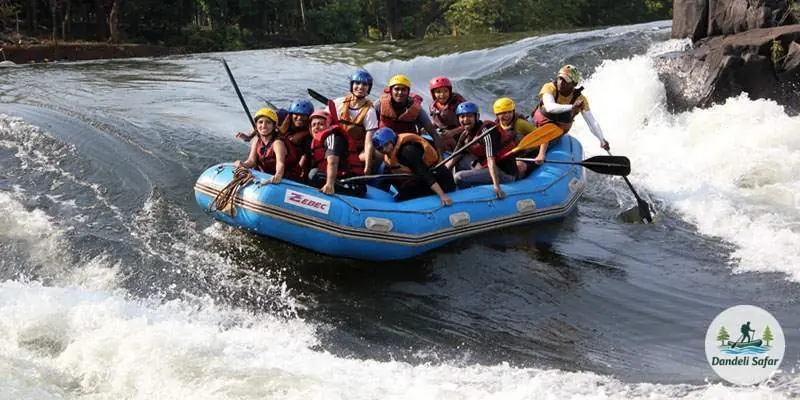
Dandeli Rafting Price 2025: Complete Cost Guide
Rafting on the Kali River is a core Dandeli activity, but headline prices rarely tell the full story. This extended, practical guide helps planners and families translate advertised rafting rates into realistic per-person budgets for 2025–2026 by separating base prices from operational inclusions, safety commitments and secondary costs. Use a checklist mindset when comparing offers: confirm whether safety equipment (life jackets, helmets) is included and sized appropriately, whether certified guides and a safety briefing are part of the package, whether transfer to the put-in point is bundled or charged separately, and whether rescue or contingency procedures are documented. Short runs (typically 2–3 km) will have different logistics than standard (4–6 km) or extended routes (8–10 km); longer options often require additional guide time, transport and safety staffing that raise the per-head figure.
Seasonal and operational context changes price signals: post-monsoon and winter months attract more bookings and limited slots, while shoulder-season dates can provide negotiation room. Always request clear refund and reschedule policies for river-level or weather-related cancellations, and ask which optional extras (waterproof camera packages, premium photos or video) are included versus add-ons. Remember ancillary costs—meals, return transfers, vehicle consolidation, tips, and any local permits—so you budget for the total trip expense rather than a headline number.
This excerpt offers sample cost templates and decision rules for common traveller types. For couples or small groups, consolidate transfers to reduce per-head vehicle costs; for family groups with young children, prioritise shorter, supervised stretches and verify availability of child-size safety gear. For beginners, prefer operators that include an extended safety briefing and provide rescue plans in writing. For experienced rafters seeking longer runs, confirm whether extended routes include extra fuel or boat crew fees.
Negotiation and booking tips focus on transparency: ask providers for a written cost breakdown, confirm equipment maintenance and inspection routines, and prefer operators with documented contingency plans and clear safety certifications. When booking through a resort package, check whether the operator is a vetted partner and whether transfers are coordinated to avoid duplicate charges. If a provider quotes a very low headline rate, check what has been excluded—sometimes transfer costs or mandatory insurance make the effective price higher.
Practical templates: prepare a per-person estimate that includes (1) advertised rafting fee, (2) transfer cost, (3) meals or refreshments, (4) optional media packages, (5) gratuities and (6) contingency buffer (10-15%). For families, add a child-safety surcharge and confirm age limits. For larger groups, negotiate consolidated transport and group discounts but get final rates in writing.
Safety-first examples: confirm life jacket fit for children, ensure guides carry whistle/first-aid kits, and verify mobile connectivity plans for emergency contact. Ask about cancellation triggers (river level thresholds) and whether operators provide alternate low-risk options on short notice (guided nature walk, village visits, or interpretive talks) so the day remains productive without risk.
Tone and purpose: factual, non-promotional and operational—this guidance turns advertised rafting prices into a transparent budgeting exercise that emphasises safety, inclusion checks and contingency planning. Use these repeatable steps to compare operators with confidence and to budget an accurate per-person cost for rafting in Dandeli in 2025–2026.