Evening bonfire at a Dandeli camp
Tips & Tricks12 December 20259 min read

Dandeli Group Trip Checklist: For Coordinators & Organisers

GuideTips & Tricks

Dandeli Group Trip Checklist: For Coordinators & Organisers

Dandeli Safar team welcomes you to plan this trip with our experts.

Share your dates and group size for a tailored stay, activities, and travel plan.

Plan with Dandeli SafarDandeli Safar team can tailor dates, stays, and activities for this theme.

Large or small group travel to Dandeli succeeds when organisers convert good intentions into a short, repeatable operations checklist that covers pre-trip coordination, day-of logistics, safety and simple post-trip housekeeping. This expanded excerpt gives practical templates you can copy into a single shared note: a pre-departure checklist for headcount and dietary needs, a transport plan template that records vehicle allocations and driver contact details, a communication plan that defines a group lead and a daily check-in ritual, and a safety summary that lists medical conditions, medications and emergency contacts so everyone knows who to call and where to meet in case of delay. Pre-trip items include: final headcount and name tags (use for quick roll-calls), dietary tallies (vegetarian, vegan, allergies), a written inclusions sheet for each property (meals, transfers, activity slots), and a simple shared budget spreadsheet that records deposits, refunds and incidental costs. Assign one coordinator for bookings and one for on-the-ground issues; a second person should be the communications backup who manages a shared WhatsApp thread and updates ETA messages if a vehicle is delayed. Day-of templates reduce friction: set a single daily meeting point and time (for example, 06:15 outside the main dining hall), keep a small “group kit” with spare sunscreen, a first-aid kit, waterproof bags and a few spare torch batteries, and use shared labelled luggage tags for quick transfers. For activity roll-calls, keep a printed list with headcount and emergency phone numbers so guides can verify quickly before departure. Encourage staggered packing the evening before for each room so morning departures are smooth. Safety and contingency plans are essential: carry a printed medical summary for each person (condition, medication, dosage, physician contact), pre-authorise a local clinic in writing for emergencies, and confirm pickup coordinates in advance for every activity so drivers know exact rendezvous points. Agree on fallback low-effort activities (village visits, interpretive talks, indoor workshops) if weather or operational limits cancel an outdoor slot. Budget and behaviour guidance: collect deposits to block activity slots, use simple per-person cost tracking in a shared sheet, and nominate a small dispute-resolution step (group lead + second person) for incidental disagreements. Keep rules light—focus on shared expectations for punctuality, noise levels at night and shared cleaning responsibilities in multi-share cottages. Post-trip housekeeping: share feedback on activity reliability and kitchen notes so future groups benefit; tally final costs promptly and send a one-page post-trip summary to the group. The voice is practical and non-promotional: this checklist is a reproducible operations tool designed to reduce friction so groups spend more time experiencing Dandeli and less time resolving logistics.

Why Group Organisers Need a Checklist

Coordinating a group trip means handling different preferences, budgets, and schedules.

A written checklist reduces the chance of missing important details and helps you communicate clearly with everyone involved.

Before Confirming Dates & Headcount

Early clarity saves a lot of back-and-forth later.

  • Collect preferred date ranges and flexibility
  • Check exam, project, or event calendars for conflicts
  • Decide who will take final calls on changes
  • Note any special requirements (health, food, accessibility)

While Shortlisting Properties

Different groups prioritise different aspects.

  • Ask about capacity and room-sharing patterns at the property
  • Confirm meal plans and timing flexibility for large groups
  • Understand house rules on sound, curfews, and alcohol where relevant
  • Clarify parking, bus access, and approach roads

Activity Planning for Groups

Group activities need slightly more structure than individual plans.

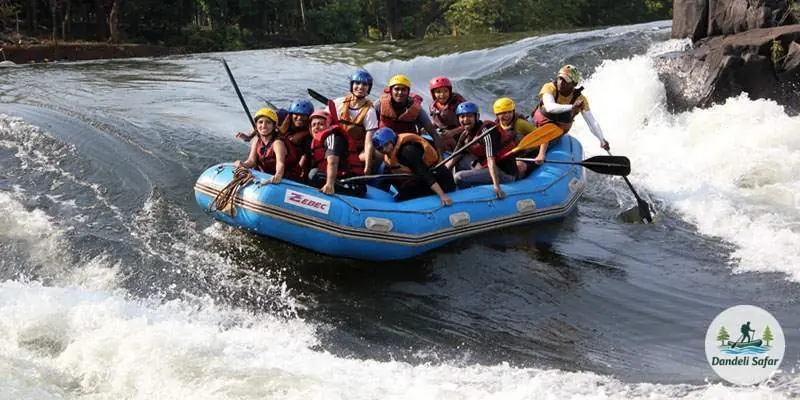
  • Check batch sizes and time slots for rafting or similar activities: /assets/activities/water-rafting-1.webp
  • Avoid scheduling too many paid activities back-to-back
  • Plan at least one open slot for rest or informal sessions
  • Share tentative schedules with participants well in advance

Communication & Payments

Clear communication keeps expectations aligned.

  • Create a simple information sheet with dates, packing basics, and key contacts
  • Decide how collections and refunds (if any) will be handled
  • Share payment deadlines and what happens if someone backs out
  • Maintain one main communication channel for updates

Frequently Asked Questions

What is an ideal group size for Dandeli trips?â–Ľ

There is no single ideal size. Smaller groups are easier to coordinate, while larger groups may get better per-person efficiency on certain costs. Capacity at the property and activity batching both play a role.

Should we collect full payment before confirming the trip?â–Ľ

Practices differ between organisers. Many prefer collecting at least a substantial advance before finalising bookings to reduce last-minute dropouts. You can discuss your comfort level and policies with your group.

How early should group organisers contact Dandeli Safar?â–Ľ

For larger groups or busy dates, reaching out a few weeks in advance is sensible. For smaller, flexible groups, shorter notice can sometimes work.

Ready to Plan Your Dandeli Trip?

Get tailored dates, stays, and activity slots from the Dandeli Safar team.

Contact Us Now

Related Articles

Jungle safari exploring biodiversity hotspot of Dandeli Wildlife Sanctuary

Dandeli Corporate Outing: Team-Building & Offsite Guide

Planning a corporate outing to Dandeli requires balancing focused session-time with restorative outdoor experiences; this extended guide outlines how to design inclusive agendas, select activities that suit mixed-ability teams, and manage logistics for smooth, low-stress offsites. Use this advice to frame your objectives (team bonding, strategy work, reward and recognition), choose a property that supports your desired mix, and craft a schedule that leaves breathing room for rest and informal conversations around campfires or riverside decks. Agenda design: A practical two-day or three-day agenda blends structured workshop sessions in the morning with team activities in the afternoon. Example formats include morning facilitation or breakout sessions, midday rest and light lunches, followed by canoeing, coracle rides or gentle treks in the late afternoon, and evening bonfires for relaxed team interactions. Retain flexible slots so weather or operational changes do not derail the core objectives. Activity selection and inclusivity: Choose activities that can be tiered by intensity so participants self-select: low-impact options like guided nature walks, birdwatching and coracle rides sit alongside more active experiences such as kayaking or supervised rafting runs for willing participants. For larger groups, staggered activity blocks keep everyone engaged without overcrowding any single session. Logistics and comfort: Rooming policies should consider seniority and privacy—options include single rooms for senior leads or paired rooms for others. Confirm dietary needs in advance and provide clear transport details and arrival/departure windows. If participants have mobility or medical needs, share them early so properties can advise on accessible options or minimal-walk layouts. Team-building formats: Use shared experiences that encourage collaboration without intense competition—scavenger-style nature tasks, storytelling prompts around a bonfire, and facilitated reflection sessions help teams connect. Avoid high-stress team challenges unless your group explicitly asks for them and you have trained facilitators. Safety and contingency: Always check operator safety records and local weather advisories for outdoor activities; build contingency indoor sessions for high-rain days. Ensure first-aid readiness and quick medical access for larger groups and keep clear contact points for on-the-ground coordination throughout the offsite. Why Dandeli suits corporate offsites: The region’s combination of forested campuses, riverside spaces and curated properties gives teams an environment that reduces daily friction and encourages fresh thinking. With sensible planning and attention to inclusivity, a Dandeli corporate outing becomes a productive and energising break from routine.

White water rafting adventure on challenging Kali River rapids in Dandeli

Dandeli College Trip: Student Adventure & Budget Planning Guide

This extended college-trip guide turns common planning uncertainty into reproducible steps so faculty coordinators and student leaders can run safe, affordable and high-value Dandeli excursions. It focuses on three pillars: transparent budgeting, clear supervision and activity sequencing that balances adventure with rest. The guide is deliberately practical—sample itineraries, budget templates, headcount procedures and parent-consent wording—so college groups can iterate the plan without reinventing logistics each time. Budget templates break down transport, accommodation, meals, activity slots and contingency buffers and show how per-person costs scale with group size. The guide contrasts three cost bands—budget (shared rooms, pooled transport), mid-range (private rooms with bundled meals) and comfort (private transfers, premium slots)—and explains where groups can save without reducing safety (e.g., consolidate transfers, pre-book activity batches, or choose shared meal models). It also lists common hidden costs—permit fees, last-minute transfer surcharges and optional photo/video add-ons—so organisers can include realistic buffers in communications with students and parents. Supervision and safety protocols are concrete: propose faculty-to-student ratios, nominate senior student coordinators, maintain daily headcounts at activity handovers, and use a single communications lead to manage pickups, local calls and emergency escalations. Include mandatory pre-activity safety briefings, ensure operators provide certified safety gear for water modules, and request written confirmation of guide qualifications and rescue procedures where possible. For transport legs on narrow hill roads prefer daylight travel and confirm drivers’ familiarity with local routes. Activity sequencing prevents exhaustion and improves learning outcomes: schedule one main adventure slot per day (rafting, trekking or safari) with built-in midday rest windows and evening low-key programming (campfire, reflective sessions, or group workshops). Provide sample 2–3 night itineraries that accommodate academic calendars and recommend packing lists that focus on safety and comfort (quick-dry clothing, refillable water bottles, small first-aid kits, and ID/medical forms). The guide also includes a short parent-consent template and a checklist for faculty to share with parents before departure. Sustainability and community engagement are part of the learning experience—encourage leave-no-trace practices, minimise single-use plastics, and plan respectful village visits or craft demos that support local livelihoods. The tone remains factual and operational: use these templates to make college trips repeatable, safe and formative without unexpected costs or avoidable risks.

Fallback camping image: bonfire at Dandeli adventure camp

Dandeli Youth Festival Trip: High-Energy Nature Getaway

A Dandeli youth festival-style trip blends high-energy activities with structured supervision and clear logistics—this extended guide is for organisers planning college, university or community youth batches. It covers scheduling, safety norms, layered activity options so participants can self-select challenge levels, and practical advice for keeping noise, night-time behaviour and local impact within acceptable limits while still enabling spirited group experiences. Designing the schedule: High-energy events are best when balanced with rest and clear operational blocks. Mornings can start with warm-up and briefing sessions, followed by a main adventure slot (rafting/kayaking or trekking) in the late morning to early afternoon. Reserve the evening for low-impact community activities—talent shows, storytelling, acoustic music or facilitated reflection—then follow property guidelines for quiet hours. Staggered activity waves avoid crowding and allow more participants to try different options. Safety and supervision: Organisers should prioritise certified operators for adventure modules and maintain a clear map of supervision responsibilities for on-site staff and visiting teachers or team-leaders. Maintain an emergency contact list, ensure all participants carry ID copies, and keep simple medical disclosures for those with allergies or conditions. Night-time rosters or buddy systems help in keeping groups safe after dark. Activity layering and inclusivity: Provide multiple tiers of activity so participants self-select: easy options (nature walks, coracle rides), medium options (guided kayaking, birdwatching walks), and higher-adventure slots (supervised rafting, longer treks) for experienced groups. Team games, obstacle-lite courses and small facilitation tasks foster collaboration without requiring intense competitive frameworks. Logistics and capacity planning: Share accurate headcounts early with properties and operators so transport, meals and safety staff can be scaled correctly. Consider transport windows that avoid late-night returns and ensure dietary needs and group-specific medical considerations are communicated in advance. Responsible group behaviour and local impact: Emphasise leave-no-trace practices and local-culture respect—discourage loud night-time music near sensitive areas and control waste by assigning cleanup teams. Work with the property for any permitted small-scale community events and follow their guidance on timings and sound levels. Why this approach works: A youth-festival trip in Dandeli can be high-energy and memorable without compromising safety or the local environment—thoughtful scheduling, layered options and clear supervisor roles create a positive, well-managed festival feel that participants remember for the right reasons.

Real Nature, Real Adventure

Explore Dandeli with Us

50% OFF White Water Rafting

Exclusive discount when booked with any resort package

₹600₹300/personSAVE ₹300