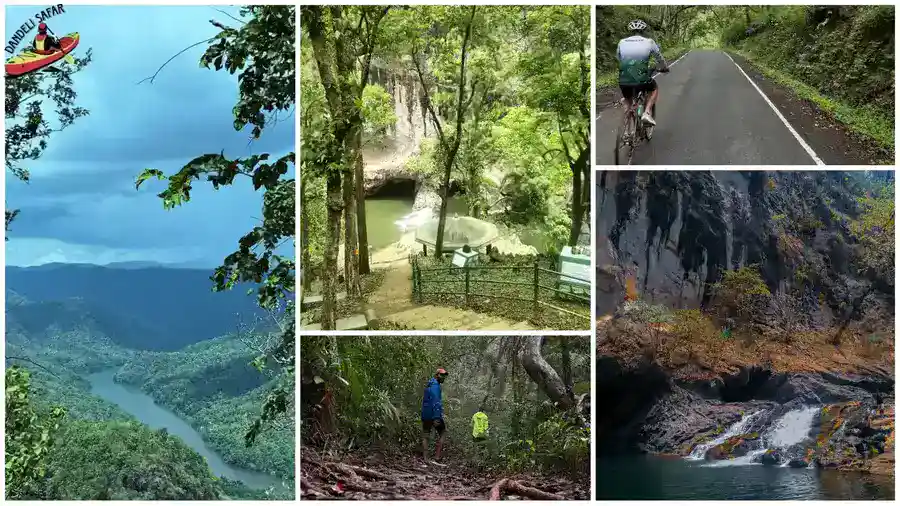
Dandeli's hidden gems are best experienced with curiosity and care—this long-form guide helps visitors plan quiet, respectful detours to small river bends, artisan workshops, village breakfasts, mossy rock pools and low-traffic viewpoints while prioritising community benefit and ecological sensitivity. The practical focus is on sequencing, permissions and humility: travel in small groups, always ask before photographing people or private property, and prefer purchases that channel income directly to local makers rather than mass-produced souvenirs.
Start with timing and access: aim for early mornings and late afternoons when light is softer and footfall is low. Coordinate hidden-spot visits with your main activities to minimise extra driving—pair a short artisan visit after a morning river slot or schedule a village breakfast when your route already passes through a community. Ask local hosts about school timings and market hours so visits do not collide with daily routines; a simple request to avoid peak community hours is often all that is needed to ensure goodwill.
Practical terrain notes and gear choices reduce surprises: many hidden spots require short walks on uneven ground—pack grippy shoes, a light rain cover during monsoon months, and a small water bottle. For photographers and small groups, time-box visits (30–60 minutes), use longer lenses to maintain respectful distances, and avoid setting up large equipment that could obstruct pathways or intimidate residents. A local guide or host can smooth access, share seasonal closures and explain cultural norms that make visits more meaningful and less intrusive.
Community-first etiquette scripts are included so visitors know how to ask permission, offer modest compensation for time, and request a quick demonstration rather than expecting a performance. The guide suggests small respectful gestures—buying one handcrafted item, offering a printed photo to someone you photograph, or asking where to leave a tip so it reaches the right person. Transport notes recommend drivers familiar with narrow village tracks and a 20–30 minute buffer for unexpected foot traffic or small animal crossings.
Environmental principles matter more than ever in fragile places: stay on marked paths to prevent erosion, carry all rubbish out of village areas and riparian zones, and avoid removing any plant or rock material. The excerpt ends with compact planning checklists—questions to ask when booking a hidden-spot visit, a short packing list, and sample half-day sequences that complement core activities. Coordinate these detours with Dandeli Safar so local guides and hosts are briefed in advance and visits remain mutually beneficial, preserving the quiet charm of these lesser-known places.
Quiet Nature Spots
Ask your naturalist about short hikes to river islands, bamboo groves, or bird hides that see minimal crowds.
- Off-radar Supa viewpoints for sunrise
- Hidden rock pools near village checkdams
- Private bird hides overlooking fruiting trees
Community Experiences
Spend time with local artisans who weave baskets, craft handloom fabrics, or produce organic jaggery. These micro-visits add cultural depth to the itinerary.
Food & Cafés
Small dhabas in Ganeshgudi serve hot jolada rotti, while homestays occasionally host pop-up dinners highlighting seasonal produce. Inform us about dietary preferences so we can match hosts.
Photography Corners
Explore abandoned railway bridges, mossy steps, and riverside clearings ideal for portrait shoots. Always get local permission before using private land.
Planning Tips
A few tips to make the most of your hidden gems exploration:
- Keep itineraries flexible—hidden spots often take longer to reach
- Travel in small groups to maintain tranquility /assets/activities/trekking.webp
- Carry reusable containers for takeaway snacks to minimize waste