Pristine Kali River surrounded by lush greenery suitable for rafting and kayaking
Seasonal1 June 20268 min read

Dandeli in June: First Monsoon Showers & Lush Green

SeasonSeasonal

Dandeli in June: Monsoon Arrives

June tips - lush trails and refreshed waterfalls.

Carry rain gear, pick safe routes, and check activity availability.

View June guideDandeli Safar team can tailor dates, stays, and activities for this theme.

June in Dandeli is a transitional month that often marks the early monsoon window—expect dramatic green-up, stronger river flows and the start of seasonal changes that affect which activities are safe and when they should be scheduled. This extended planning guide turns those broad seasonal signals into concrete actions you can take when booking and packing: prioritise flexible schedules, confirm river permissions and operator status before locking activity slots, and plan daytime travel across ghat sections to favour visibility and avoid wet-night risks. Operational checks matter: call or message your operator 48 hours before arrival to confirm which water-based activities are running and whether batch sizes have been adjusted for safety. Many providers keep a rolling status update on river levels; if full rafting stretches are not yet open, operators may offer shorter coracle sessions, guided river-ecology tours or conservancy-focused walks as resilient alternatives. If you are travelling in a group, ask about vehicle changes or alternate pick-up points when roads are affected by early rains. Packing is slightly different for June than for the dry months: include a lightweight waterproof layer, a compact rain cover for electronics, quick-dry clothing, and silica pouches for cameras that may experience humidity changes during the day. Footwear should be slip-resistant for wet paths, and small zip-lock bags for documents prevent soggy passports and permits. Hydration is still important—carry a refillable bottle and electrolyte mixes for sudden high-humidity days. Activity sequencing should prioritise safety and flexibility: schedule early-morning guided walks or birding sessions when light and weather are more predictable, leave the mid-day window for rest or indoor programming (local craft demos, cooking talks or short naturalist sessions), and plan late-afternoon options only if the operators confirm stable conditions that day. For water activities, always follow guide advice about floatation support and operator safety gear—don’t assume full white-water runs will be available during early monsoon. Health and contingency: if you have medical sensitivities to humidity or recent respiratory conditions, consult a health professional before travel and carry relevant medication. Consider travel insurance that covers weather-related reschedules. For families, prioritise activities with easy exit routes and avoid remote, high-rainfall trails during persistent downpours. Community and conservation: early monsoon is a fragile months for nesting birds and ground flora—respect seasonal closures, and choose operators who brief groups on low-impact practices. If you want to experience waterfalls or swollen riverbanks, do so with an authorised guide and stay within designated viewing areas; avoid wading into strong currents even where water looks calm at the surface. This June-focused guide is intentionally conservative and operational: use it to prepare flexible plans, confirm operator statuses, pack for damp conditions, and protect both your safety and the fragile seasonal ecology that defines Dandeli’s early monsoon mood.

Weather in Dandeli During June

June usually marks the arrival of the southwest monsoon in and around Dandeli. Forests start looking fresher, temperatures drop compared to peak summer, and clouds become a regular part of the skyline.

Rainfall can be patchy in early June and more regular by the end of the month. Planning with flexible expectations is the best way to enjoy this period.

What June Feels Like for Travellers

If you enjoy rain, cloud cover, and lush landscapes, June has a special charm.

  • Cooler days and nights compared to April–May
  • Frequent cloud cover, sometimes mist in the mornings
  • Higher chances of leeches on some forest trails
  • Occasional rain-induced changes to activity timings

Activities That Work Well in June

Monsoon changes which activities are practical or recommended.

  • Monsoon river views: /assets/activities/kali-river.webp
  • Waterfalls and streams: /assets/activities/supa-dam-dandeli.webp
  • Short, guided nature walks on safer trails
  • Birdwatching from viewpoints or around the campus
  • Calmer evenings near sheltered bonfire spaces when weather permits

Activities That May Be Limited

Heavy rain, dam releases, and forest regulations can affect a few popular options.

  • Rafting availability depends heavily on river levels and official permissions
  • Some trekking routes may be closed or restricted
  • Safari slots can change timing based on road conditions
  • Open-air experiences may shift to covered spaces when rain is intense

Packing Tips for a June Trip to Dandeli

Packing for monsoon is mainly about staying reasonably dry, warm, and comfortable.

  • Light rain jacket or poncho
  • Quick-dry clothes and an extra pair of socks
  • Closed footwear with good grip
  • Basic medicines and any personal prescriptions
  • Waterproof covers or pouches for phones and wallets

Who Should Consider Visiting in June?

June may not be ideal for those who only want clear blue skies, but it can be rewarding for others.

  • Travellers who enjoy monsoon landscapes and greenery
  • Photographers interested in clouds, mist, and rain-soaked forests
  • Visitors who have already seen Dandeli in winter and want a different mood

Planning a June Trip with Dandeli Safar

If you are unsure how monsoon might affect your plans, it helps to discuss openly while enquiring.

  • Ask which activities are typically available in early vs late June
  • Share whether you are travelling with children or seniors
  • Discuss backup options for rainy periods, such as indoor games or sheltered viewpoints
  • Clarify how itinerary flexibility will be handled if weather changes suddenly

Frequently Asked Questions

Is June a good month to visit Dandeli?▼

If you like early monsoon weather, yes. Forests are greener and temperatures are lower, but some activities may be adjusted or rescheduled because of rain and safety guidelines.

Will rafting definitely be available in June?▼

Rafting depends on river levels, dam releases, and local regulations. It is best to treat it as a possibility rather than a guarantee and to confirm closer to your travel dates.

Is June suitable for family trips with children?▼

Many families do travel in June, but activity choices and packing need more attention. Shorter walks, safe campus spaces, and flexible indoor plans help when it rains heavily.

Are leeches a big problem in June?▼

Leeches can appear on certain forest trails during monsoon. Guides usually know which areas to avoid or how to minimise exposure. Proper footwear and awareness make most guests comfortable enough.

How do I plan a June trip through Dandeli Safar?▼

Share your preferred dates, group details, and comfort with rain. The team can then suggest stays and activities that work reasonably well for early monsoon conditions.

Ready to Plan Your Dandeli Trip?

Get tailored dates, stays, and activity slots from the Dandeli Safar team.

Contact Us Now

Related Articles

Pristine Kali River surrounded by lush greenery suitable for rafting and kayaking

Dandeli Monsoon Guide: Lush Green Western Ghats Escape

Monsoon in Dandeli (June–September) transforms the landscape into its most vivid, green state and offers dramatic waterfalls, swollen rivers and a quieter tourism rhythm. This extended monsoon excerpt provides safety-first planning, realistic activity choices, and practical packing guidance so travellers can enjoy the season's unique character while minimising risk and impact on fragile terrain. Start with expectations and flexibility: monsoon brings heavier rain windows and shifting river levels that can pause or alter adventure activities. Confirm flexible booking or rebooking policies with providers, ask which activities typically run in wet conditions, and check whether core operators monitor river gauges or official advisories. Ask in advance for alternative programming options (covered nature talks, village visits or indoor workshops) so a rainy day still yields meaningful experiences. Packing and equipment protection are non-negotiable: quality waterproof covers or dry bags for cameras and electronics, high-traction footwear with good grip, quick-dry clothing and a compact rain jacket per traveller. For photographers we emphasise lens protection, silica packets in padded camera bags to reduce humidity issues, and simple rain-shields for tripods. Keep a small kit for equipment drying and battery management—the humidity impacts battery life and condensation, so rotate spares and store gear in dry bags when not in use. Operational changes under monsoon conditions are common and sensible: operators often favour shorter, supervised walks on safer trails, viewpoint drives that avoid exposed ridges, and riverbank sessions at secure locations rather than extended water runs. Always follow guide instructions about river-edge access and waterfall viewpoints—many obvious vantage points become hazardous at higher flows. Drive in daylight on ghat stretches whenever possible, allow extra time for slower roads, and maintain a clear line of communication with your pickup driver. Low-impact behaviour is especially important during monsoon: stay on marked trails to avoid creating erosion channels, avoid trampling delicate ground-cover and riverbanks, and carry back all rubbish—wet litter can more easily enter waterways and harm downstream habitats. Respect local communities whose agricultural rhythms can be affected by extra foot traffic during wet harvest windows. Who the monsoon suits: nature-minded photographers, repeat visitors who appreciate moodier landscapes, and travellers who value fewer crowds and lush scenery. Who should be cautious: those needing rigid itinerary timing, people with mobility issues, or travellers who cannot tolerate wet conditions. If in doubt, consider a shorter monsoon window or plan flexible activities that reduce exposure to rapid weather changes. The tone is practical and conservative: use the checklists and contingency swaps here to plan a monsoon visit that emphasises safety, supports local resilience, and enables responsible, weather-aware enjoyment of Dandeli's wet-season landscapes.

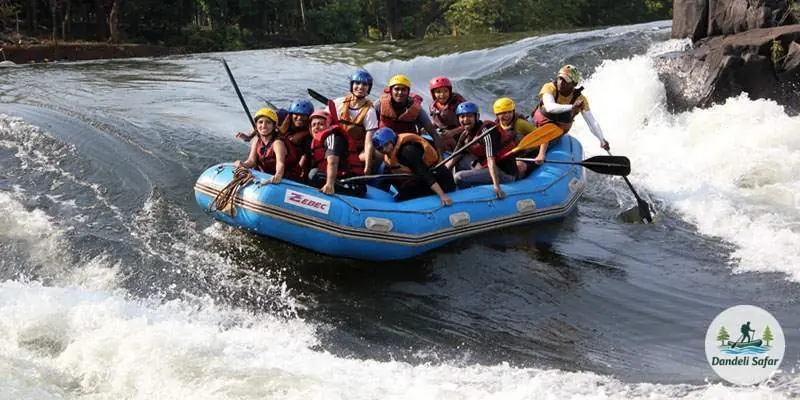
White water rafting adventure on challenging Kali River rapids in Dandeli

Dandeli in May 2026: Complete Summer Trip Guide & Tips

May in Dandeli requires deliberate heat-management and intentional scheduling so travellers convert peak-summer days into comfortable and rewarding experiences rather than endurance tests. This extended practical excerpt gives precise, repeatable steps for bookings, daily pacing, packing and contingencies to make a May visit safe and enjoyable for families, solo travellers and groups. Core strategy: time your high-energy and water-based slots for early morning (before 9:00 AM) and late afternoon (after 4:00 PM) while reserving the hottest midday hours (roughly 11:00–16:00) for rest and shaded activities. Pre-book early-batch slots for rafting or dawn safaris, request AC or at least well-ventilated rooms for the warmest nights, and confirm that resorts offer shaded waiting areas and reliable drinking water. Where possible prefer daytime final legs on narrow ghat roads and avoid late-night driving that compounds fatigue and heat exposure. Packing and health prep are operational: light, breathable layers, high-SPF sunscreen, a wide-brimmed hat, multiple reusable water bottles, electrolyte mixes for each traveller and cooling towels. For infants and older guests plan split schedules: older travellers can enjoy riverside rest while more active members take a higher-energy slot. Include a compact medical kit with blister care, basic analgesics, and labelled prescription copies. If any member has heat-sensitive conditions, consult a health professional before travel and plan safer activity mixes. Sample daily sequences improve on-site decisions. A family-friendly 2-day template: Day 1—arrive, settle in AC room, short evening coracle; Day 2—pre-dawn safari or birding, return by 8:30 AM for breakfast and pool/rest, afternoon indoor programming or low-effort cultural visits, late-afternoon rafting; Day 3—early checkout before peak heat. For friends or thrill-seekers, schedule morning rafting, daylight rest and evening bonfire. Always include at least one flexible slot in each day to swap in alternate activities (scenic village visits, shaded craft sessions, or a conservation talk) if river or weather conditions change. On-ground logistics to ask at booking: exact early/late batch availability, whether packed lunches are available for long days, transfer timings that avoid night ghat drives, and whether the property can store and charge batteries or keep equipment in shaded lockers. For photographers and birders, plan golden-hour accesses and confirm quiet windows with property staff so you can shoot without disturbing other guests. Safety reminders are explicit—hydrate frequently, treat midday rest as mandatory, avoid alcohol during hot daytime activities, and watch for signs of heat exhaustion (dizziness, nausea). The tone is practical and conservative: no sensational claims—only clear, repeatable steps so you can enjoy Dandeli's water and wildlife offerings in May without undue risk or discomfort.

Nature walk through Western Ghats trails in Dandeli

World Environment Day 2026 in Dandeli: Green Getaway Guide

This World Environment Day guide helps travellers design a practical, low-impact visit to Dandeli focused on learning, conservation and safe nature experiences. It begins with seasonal guidance so visitors understand which parts of the Western Ghats and river systems are accessible at different times of year, then outlines simple behavioural rules that reduce disturbance and pollution: carry refillable water bottles, choose biodegradable toiletries near water, avoid loud playback or lights near nesting areas, and always stay on marked trails. The guide highlights curated experiences that create a meaningful connection with local ecosystems while supporting nearby communities. Short guided nature walks led by trained naturalists explain forest structure, soil and hydrology without trampling sensitive undergrowth. Quiet birdwatching sessions near river edges introduce participants to species that depend on intact riparian corridors. Calm-water activities, when offered by responsible operators, are described as learning-first experiences — carefully timed coracle rides or serene kayaking that prioritise habitat protection and leave no trace. Operational details make this excerpt useful and actionable: how to time arrivals and transfers to avoid crowded slots, how to book small-group naturalist-led walks, the importance of confirming operator safety and waste practices, and sensible packing lists for pre-monsoon and post-monsoon windows. It also recommends ways to bring value back to local communities: hire local guides, buy local produce, and participate in short conservation actions such as organised cleanups or species monitoring checklists. > The tone is factual and educational rather than promotional. Readers will find clear, verifiable steps to plan an environmentally-aware visit: what activities to prioritise, how to avoid common mistakes, and how to balance nature learning with low-intensity adventure. The advice is suitable for families, student groups, and individual travellers who want to mark World Environment Day by observing and protecting real ecosystems rather than staging token gestures. Finally, the excerpt emphasises safety and flexibility—why operators sometimes change activity windows for river flows or weather, and how simple safety briefings reduce risks on water or forest trails. Together these points help readers plan a responsible Dandeli escape that celebrates World Environment Day while contributing positively to local conservation efforts.

Real Nature, Real Adventure

Explore Dandeli with Us