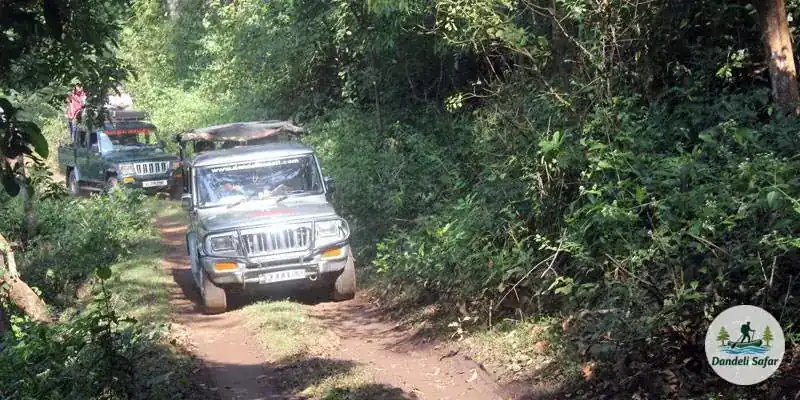
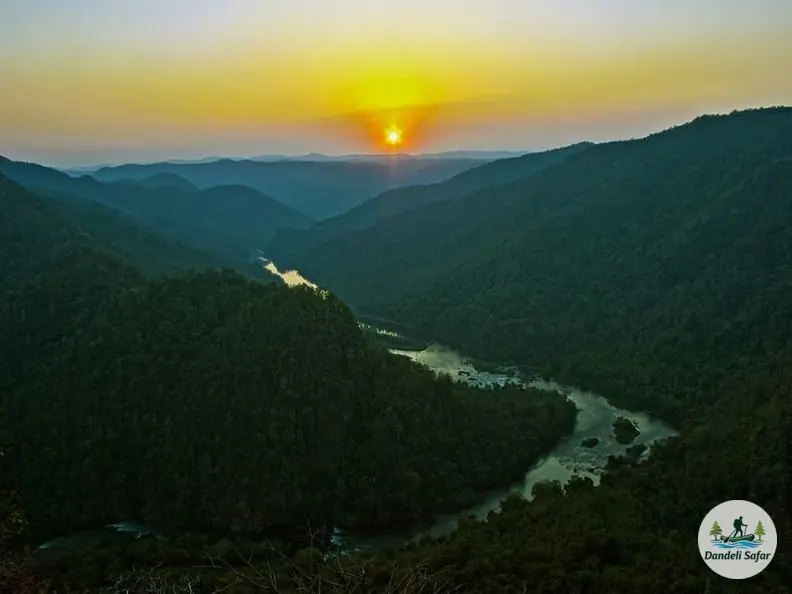
This practical jungle safari guide explains how jeep safaris inside the Kali Tiger Reserve (KTR) are organised, what the typical permit and timing considerations look like, realistic expectations for wildlife sightings, and how to prepare for forest rules and responsible viewing. The aim is to help travellers plan jeep-safari outings with an operational mindset—book permits early, choose suitable time slots, respect forest department regulations, and arrive prepared for photography and a patient pace of wildlife watching.
Permits and timing: Safari slots and permits are managed by the forest department and often divide into morning and afternoon windows. Morning drives typically leave before sunrise and can last until late morning; evening drives begin in the afternoon and return around dusk. Because the number of vehicles and guests per slot is limited, it is helpful to share your preferred date range early and accept nearby alternate dates if your ideal slot is already reserved.
Entry gates and routes: Popular entry gates into KTR include Kulgi and surrounding checkposts, and the route you use will determine how long drives take and which habitats you will visit. Some gates focus on river-edge habitats while others lead to mixed deciduous and dense-canopy areas where different species are more likely to appear. Discuss route and gate options with your operator so you can align the drive with your wildlife interests.
What to expect on sightings: Wildlife sightings are variable and influenced by season, temperature and recent rainfall. The reserve hosts species such as gaur, elephants, deer, Malabar giant squirrels, hornbills and numerous bird species; large cats are present but sightings are rare and cannot be promised. Guides and trackers increase the likelihood of meaningful observations, and patient, quiet behaviour combined with an early or late-day schedule often yields the best opportunities.
Responsible conduct: Follow the guide and forest department rules closely—remain inside the authorised vehicle, avoid loud noises, do not feed wildlife, and do not litter. Photographic flash is discouraged for sensitive species. Respect safe viewing distances and the permit limits that help keep disturbance low for animals.
Preparing for comfort and photography: Wear neutral-coloured clothing and carry modest binoculars for general viewing. For photographers, a telephoto lens and a compact tripod or monopod help with steady shots from the jeep; carry silica pouches for optics in humid months. Also bring a light jacket for early mornings and basic motion-sickness remedies if you are prone to discomfort on bumpy tracks.
Seasonal considerations: Post-monsoon and winter months (October–February) often provide pleasant temperatures and easier wildlife movement near water sources, but each season yields different viewing benefits—monsoon drives showcase dramatic landscapes while dry months concentrate animal movement near remaining waterholes. Operators will advise on the practicalities of each season when you discuss dates.
Logistics and accessibility: Arrive at gates at least 30–45 minutes before the scheduled reporting time to finish permits and briefings. Carry government ID for all guests as permit issuance requires verification. If any member of your group has mobility concerns, request accessible vehicle options in advance.
Final note: A jeep safari is an opportunity to observe wildlife ethically and patiently. Managing expectations, respecting local rules, and choosing experienced guides are the most reliable ways to make the experience rewarding while protecting the reserve's ecological balance.
Safari Basics
Dandeli's safari experiences operate inside designated zones of the Kali Tiger Reserve (KTR). Slots are limited and issued by the forest department, so advance planning matters.
Entry Gates & Timings
Popular gates include Kulgi, Anshi, and Phansoli. Drives run twice a day—morning (around 6 AM) and evening (around 3:30 PM). Reporting 30 minutes earlier helps with paperwork.
Permit & Vehicle Types
Standard jeeps carry 6 passengers plus driver/guide. Private vehicles are not allowed beyond the checkpost, keeping the habitat disturbance low.
- Permits include guide fee and departmental jeep charges
- Carry government ID for all guests /assets/activities/trekking.webp
- Cameras above a certain lens size may attract nominal fees
What Wildlife to Expect
Sightings vary each day. The reserve is home to gaur, elephants, deer, hornbills, Malabar giant squirrels, and occasionally big cats. Birders can spot kingfishers, drongos, and woodpeckers.
Best Season
Winter and post-monsoon (Oct–Feb) offer pleasant temperatures and increased animal movement near waterholes. Monsoon drives are scenic but may face route restrictions.
Preparation Checklist
Dress quietly and keep essentials handy.
- Wear dull-colored clothing
- Carry binoculars and telephoto lenses
- Pack a light jacket or poncho depending on season
- Use refillable bottles; plastic bans are enforced /assets/activities/kali-river.webp
Responsible Behavior
Forest guidelines exist for a reason. Maintain silence, avoid flash photography, and follow the guide's instructions. Feeding animals or stepping out is strictly prohibited.