Great hornbill bird spotted during bird watching in Dandeli Wildlife Sanctuary
Adventure12 December 202511 min read

Dandeli Birdwatching Guide: Habitats, Species, and Dawn Trails

Guide

Dandeli Birdwatching: Species Guide

Birding guide - hornbills, woodpeckers, and where to spot them.

Carry bins, stay quiet, and use dawn slots near fruiting trees.

View birding guideDandeli Safar team can tailor dates, stays, and activities for this theme.

This Dandeli Birdwatching Guide is an operational, habitat-focused manual designed for both newcomers and experienced birders who want reliable approaches to spotting emblematic Western Ghats species—hornbills, kingfishers, barbets and a wide array of resident and migratory passerines—without compromising ethical field behaviour or local regulations. The guide explains which microhabitats (riverine edges, canopy corridors, bamboo groves and riparian shrub) produce the highest species diversity at different times of year, and it provides precise timing cues so birders can plan dawn and dusk outings to overlap with peak activity windows. We categorise observation zones by accessibility and expected species groups: Ganeshgudi backwaters and river islands for waterbirds and hornbills, Kulgi and Maulangi trails for canopy specialists and drongos, and timber-yard viewpoints for kingfisher and wader sightings. Each entry includes safe access notes (how to approach hides, where to keep boats or vehicles anchored, and points where forest permits are required) and practical tips on how to set up a riverside hide or use a bean bag for steady telephoto work. Field gear recommendations are concrete: binoculars (8x42 or 10x42), a telephoto lens when possible, a compact tripod or bean bag for river boats, lightweight field guides or offline birding apps, and small notebooks for logging sightings. We emphasise sound-recording etiquette and teach how to use call-playback sparingly and only under expert guidance to avoid disrupting breeding territories. Seasonality sections explain why November–March is the general high-season for activity and migrants, while pre-monsoon and monsoon windows reveal breeding plumages and nesting behaviours that can reward patient observers. Practical itineraries balance river safaris with dawn canopy walks and guided hide sessions to give a mix of distant and close-up observation opportunities. Ethical birding and safety are core themes: keep quiet, remain on marked trails, avoid nest disturbance, respect distance guidelines and follow forest staff instructions. Booking checklists cover how to reserve naturalists, coordinate early pickups, obtain required permits and align group sizes to minimise disturbance. The guide concludes with quick-reference checklists and contingency options—if heavy rain cancels a river session, recommended alternatives include village eco-visits, canopy observations from staff-approved viewpoints, or guided indoor talks that deepen field knowledge. The writing is factual and actionable to help birders plan productive, low-impact visits to Dandeli.

Why Bird in Dandeli

Dandeli forms part of the Western Ghats biodiversity hotspot. Evergreen forests, river islands, and bamboo groves host over 200 resident and migratory birds, making dawn walks endlessly rewarding.

Prime Habitats

Mix habitats across your stay to meet more species.

  • Ganeshgudi backwaters for hornbills and Malabar pied hornbills
  • Timber Depot bridge for kingfishers and wagtails
  • Kulgi nature camp trails for drongos, flycatchers, and woodpeckers
  • Maulangi Eco Park canopy for parakeets and barbets /assets/activities/trekking.webp

Best Season and Timing

November to March offers cool mornings and heightened activity. Start sessions between 6:00 and 8:30 AM; evenings from 4:00 to 6:00 PM give mellow light for photography.

Guided vs DIY

Naturalist-led walks help you identify calls and nest zones while staying mindful of forest etiquette. DIY birders can explore resort perimeters, but forest interiors require permits.

Gear Checklist

Travel light yet prepared.

  • 8x42 or 10x42 binoculars
  • Telephoto lens (300mm+) if photographing
  • Bean bag or monopod for river safaris
  • Field notebook or birding app plus offline checklists /assets/activities/sunrise.webp

Birding Etiquette

Maintain silence, stay on marked paths, and avoid playback unless supervised by experts. Share sightings with fellow travellers to build community lists.

Sample 2-Day Birding Plan

Balance riverside hides with upland trails.

  • Day 1: Ganeshgudi boat birding at dawn, afternoon rest, sunset hide near camp
  • Day 2: Kulgi nature trail, brunch, evening walk around timber yard and watchtower

Frequently Asked Questions

Can beginners go birdwatching without equipment?â–Ľ

Yes. Resorts lend binoculars and naturalists point out species. You can always rent gear locally if you fall in love with the hobby.

Is photography allowed inside the reserve?â–Ľ

Handheld photography is allowed. Larger lenses may require nominal fees at certain gates, so carry receipts.

What happens if it rains?â–Ľ

Carry ponchos—rain often increases sightings as birds emerge once showers ease. Guides adjust timings to avoid heavy downpours.

Ready to Plan Your Dandeli Trip?

Get tailored dates, stays, and activity slots from the Dandeli Safar team.

Contact Us Now

Related Articles

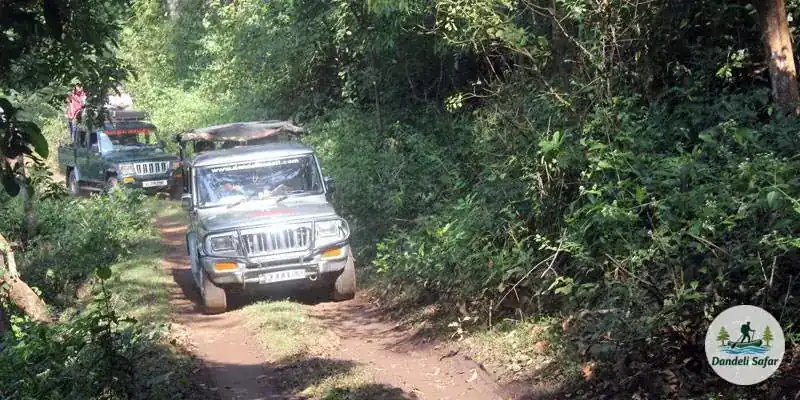
Jeep safari through dense Dandeli forest trails for wildlife spotting adventure

Dandeli Jungle Safari Guide: Kali Tiger Reserve Routes & Permits

This practical jungle safari guide explains how jeep safaris inside the Kali Tiger Reserve (KTR) are organised, what the typical permit and timing considerations look like, realistic expectations for wildlife sightings, and how to prepare for forest rules and responsible viewing. The aim is to help travellers plan jeep-safari outings with an operational mindset—book permits early, choose suitable time slots, respect forest department regulations, and arrive prepared for photography and a patient pace of wildlife watching. Permits and timing: Safari slots and permits are managed by the forest department and often divide into morning and afternoon windows. Morning drives typically leave before sunrise and can last until late morning; evening drives begin in the afternoon and return around dusk. Because the number of vehicles and guests per slot is limited, it is helpful to share your preferred date range early and accept nearby alternate dates if your ideal slot is already reserved. Entry gates and routes: Popular entry gates into KTR include Kulgi and surrounding checkposts, and the route you use will determine how long drives take and which habitats you will visit. Some gates focus on river-edge habitats while others lead to mixed deciduous and dense-canopy areas where different species are more likely to appear. Discuss route and gate options with your operator so you can align the drive with your wildlife interests. What to expect on sightings: Wildlife sightings are variable and influenced by season, temperature and recent rainfall. The reserve hosts species such as gaur, elephants, deer, Malabar giant squirrels, hornbills and numerous bird species; large cats are present but sightings are rare and cannot be promised. Guides and trackers increase the likelihood of meaningful observations, and patient, quiet behaviour combined with an early or late-day schedule often yields the best opportunities. Responsible conduct: Follow the guide and forest department rules closely—remain inside the authorised vehicle, avoid loud noises, do not feed wildlife, and do not litter. Photographic flash is discouraged for sensitive species. Respect safe viewing distances and the permit limits that help keep disturbance low for animals. Preparing for comfort and photography: Wear neutral-coloured clothing and carry modest binoculars for general viewing. For photographers, a telephoto lens and a compact tripod or monopod help with steady shots from the jeep; carry silica pouches for optics in humid months. Also bring a light jacket for early mornings and basic motion-sickness remedies if you are prone to discomfort on bumpy tracks. Seasonal considerations: Post-monsoon and winter months (October–February) often provide pleasant temperatures and easier wildlife movement near water sources, but each season yields different viewing benefits—monsoon drives showcase dramatic landscapes while dry months concentrate animal movement near remaining waterholes. Operators will advise on the practicalities of each season when you discuss dates. Logistics and accessibility: Arrive at gates at least 30–45 minutes before the scheduled reporting time to finish permits and briefings. Carry government ID for all guests as permit issuance requires verification. If any member of your group has mobility concerns, request accessible vehicle options in advance. Final note: A jeep safari is an opportunity to observe wildlife ethically and patiently. Managing expectations, respecting local rules, and choosing experienced guides are the most reliable ways to make the experience rewarding while protecting the reserve's ecological balance.

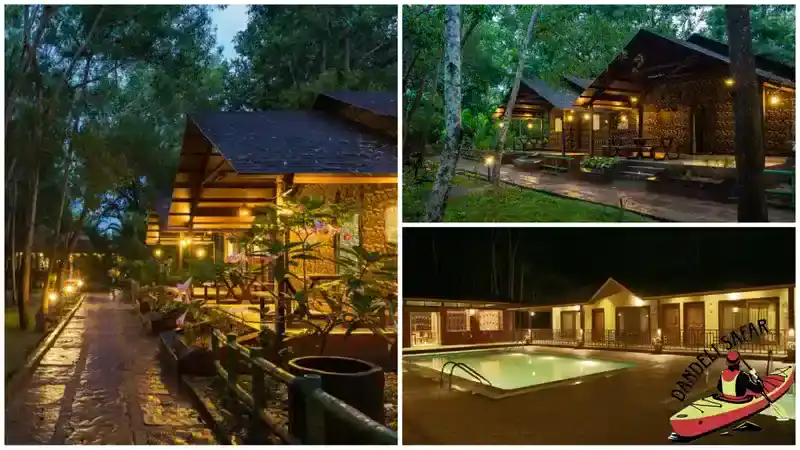
Illuminated Dandeli resort at night surrounded by lush Western Ghats forest

Dandeli Photography Guide: Sunrise Angles, Gear, and Workflow

This Dandeli Photography Guide translates location knowledge, simple gear choices and practical workflows into repeatable photographic outcomes for both DSLR and mobile creators. The guide is written for travellers who want to return from Dandeli with a curated set of images—river reflections at dawn, layered forest compositions, intimate bird portraits and night-sky frames—without compromising safety, ethical field behaviour or local regulations. Location-first thinking is central: we describe high-yield spots by time-of-day and light conditions (river backwaters and timber bridges at sunrise, canopy clearings for mid-morning bird portraits, and open meadows for Milky Way attempts after moonset). Each location entry explains safe footing, likely foregrounds, and the kinds of lenses and shutter speeds that tend to succeed there so you can pack and plan with precision. Scout during daylight to mark safe trip paths and avoid last-minute scrambling at dawn. Gear guidance focuses on getting the right balance between portability and capability. Recommendations include a versatile wide-to-standard zoom for landscapes and low-light frames, a telephoto for wildlife and compressed river scenes, a stable travel tripod for long exposures, and fast primes or a competent mobile sensor for low-light handheld work. Battery and storage management forms a key operational section—daily backup routines, a lightweight folder structure for quick edits, and practical tips on conserving battery in colder dawn hours or during long boat rides. Workflow sections are intentionally practical: quick camera presets for forest greens and river blues, a simple RAW-to-JPEG edit pipeline that saves time without losing quality, and export settings for web and social sharing that preserve colour and crop safely. Night photography guidance covers fundamentals—manual exposure, star-tracking basics, and foreground-lighting techniques—along with safety checks like avoiding trek into unlit areas and carrying compact headlamps with red-light modes. Ethical and operational best practices are emphasised: avoid flash near wildlife, request consent before photographing people in villages, follow forest department restrictions for drone use, and prioritise guides' instructions to protect sensitive zones. The guide finishes with sample day plans tailored for different creators (mobile-first, landscape-focused, or wildlife-intense itineraries), precise checklists for shooting days, and contingency suggestions if weather or activity windows change. The tone is educational and factual—no sensational claims—so photographers can plan technically sound, legally compliant and low-impact shoots in Dandeli.

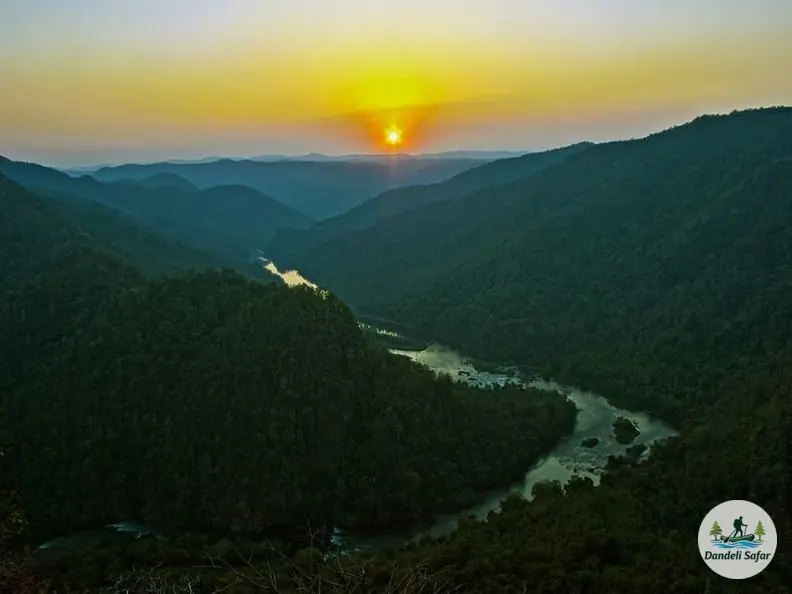
Sunrise view over misty Dandeli forest from hilltop viewpoint

Dandeli Winter Guide: Misty Mornings and Peak Wildlife Season

Winter travel to Dandeli brings cooler mornings, misted treelines and a different rhythm of wildlife and activity—this extended guide excerpt explains what to expect in the cooler months and how to adapt packing, activity choices and safety planning for a more temperate itinerary. It describes seasonal highlights—early-morning birding when migratory species are visible, misty short treks that reveal forest layers and mossy rock textures, and riverside sunrise rituals that photographers and nature-watchers appreciate. Practical advice covers clothing layers for variable daytime temperatures (breathable base layers, a warm mid-layer and a windproof outer shell), footwear recommendations for occasional wet ground after winter drizzle, and equipment tips such as thermal flasks, insulated sleeping layers for night options, and camera protection for humidity. The excerpt also addresses scheduling: plan sunrise activities later than summer (to allow for safer navigation on misty trails), avoid longer high-exertion treks if surface conditions are damp, and prioritise staffed, nearer-site activities for groups with mixed fitness. Health and contingency items include hydration strategies for cooler weather (people sometimes skip fluids), quick-access warm shelters at properties, and verifying local clinic or hub contact points for any seasonal ailments. Sustainable travel notes recommend staying on marked paths to protect fragile winter understory growth and choosing operators who limit group sizes during sensitive migratory periods. SEO terms such as “Dandeli winter travel”, “best time to visit Dandeli winter”, and “winter camping Dandeli” are integrated into descriptive guidance. The overall tone aims to be practical and anticipatory so readers can plan memorable, comfortable winter visits that respect the landscape and local operating practices.

Real Nature, Real Adventure

Explore Dandeli with Us

50% OFF White Water Rafting

Exclusive discount when booked with any resort package

₹600₹300/personSAVE ₹300