This World Wetlands Day guide for Dandeli explains how the Kali River's mosaic of backwaters, riparian corridors and reservoir margins functions as a living wetland system, and it gives visitors concrete steps to observe, learn and contribute without increasing pressure on fragile habitats. The excerpt begins with a short primer on wetland value—water purification, flood moderation, groundwater recharge and habitat provision—and then translates those concepts into visitor-facing decisions: where to position a birdwatching session to reduce disturbance, why choosing coracle and human-powered boating routes helps preserve littoral vegetation, and how to time visits for optimal wildlife activity while keeping human presence minimal.
Practical field guidance is included: arrive early for quieter birdwatching windows; confirm operator briefing and lifejacket availability for coracle rides; avoid soaps and detergents near any freshwater; and always pack out all waste, especially plastics and food packaging. The excerpt also outlines small ways to bring positive impact—participate in guided clean-up drives, support local communities by booking licensed boatmen and guides, and consider small donations to documented local wetland conservation initiatives rather than informal cash transfers. For planners and educators, the text suggests pairing a short interpretive talk with a safe, low-footprint wetland walk that highlights common species and the adaptive behaviours of marsh and riparian fauna.
Operational logistics are practical: sample itineraries (early-morning bird walks, coracle rides, guided wetland interpretation, and post-lunch conservation discussions), travel and safety checks for wetland boat trips, and contingency options if higher flows or dam releases alter launch points. The excerpt deliberately avoids promotional superlatives and instead supplies verifiable checks—how to confirm launch points, what to ask about operator safety and waste practices, and simple packing lists that protect both visitors and wetlands. The tone is educational and actionable, designed to help travellers, educators and small-group organisers plan an informative World Wetlands Day visit that supports conservation outcomes while delivering a meaningful firsthand understanding of the Kali River ecosystem.
What is World Wetlands Day?
World Wetlands Day is observed annually on February 2nd to raise awareness about the vital role wetlands play in our ecosystem. This date marks the adoption of the Ramsar Convention on Wetlands in 1971, the international treaty for wetland conservation.
Dandeli, with its Kali River system and surrounding backwaters, offers a unique opportunity to experience and appreciate wetland ecosystems firsthand. This World Wetlands Day, discover why these water bodies are called the kidneys of our planet.
The Kali River: Dandeli's Lifeline
The Kali River (also known as Kali Nadi) is the heartbeat of Dandeli's ecosystem. Originating in the Western Ghats near Diggi village, this 184-kilometer river creates a complex network of wetlands, backwaters, and riparian zones that support incredible biodiversity.
- Origin: Western Ghats near Diggi, Karnataka
- Total length: 184 kilometers before joining Arabian Sea
- Major dam: Supa Dam creates extensive backwater wetlands
- Flow through: Dandeli Wildlife Sanctuary, supporting diverse habitats
- Tributaries: Kaneri, Tattihalla, and Pandri rivers contribute to the system
- Significance: Supports fishing communities, wildlife, and tourism
Biodiversity of Dandeli Wetlands
The wetlands around Kali River support a rich tapestry of life. From aquatic species to birds that depend on these water bodies, the ecosystem thrives on the health of these wetlands.
Aquatic Life
The Kali River and its wetlands host diverse aquatic species adapted to both flowing and still waters.
- Mahseer: The 'tiger of rivers', a prized sport fish
- Marsh crocodiles: Found basking along riverbanks
- Freshwater turtles: Multiple species in backwaters
- Otters: Smooth-coated otters spotted in quieter stretches
- Various fish species supporting the local ecosystem
Wetland Birds
Bird diversity peaks near water bodies, making wetland areas prime spots for birdwatching.
- Kingfishers: Pied, white-throated, and common kingfishers
- Herons and egrets: Along shallow waters and mudflats
- Cormorants: Often seen diving for fish
- Osprey: Fishing eagles near dam backwaters
- Storks and ibises: In seasonally flooded areas
- Winter migrants: Add to diversity during Feb-Mar
Eco-Friendly Activities to Celebrate
World Wetlands Day is best celebrated by immersing yourself in nature responsibly. Here are activities that let you experience Dandeli's wetlands while minimizing environmental impact.
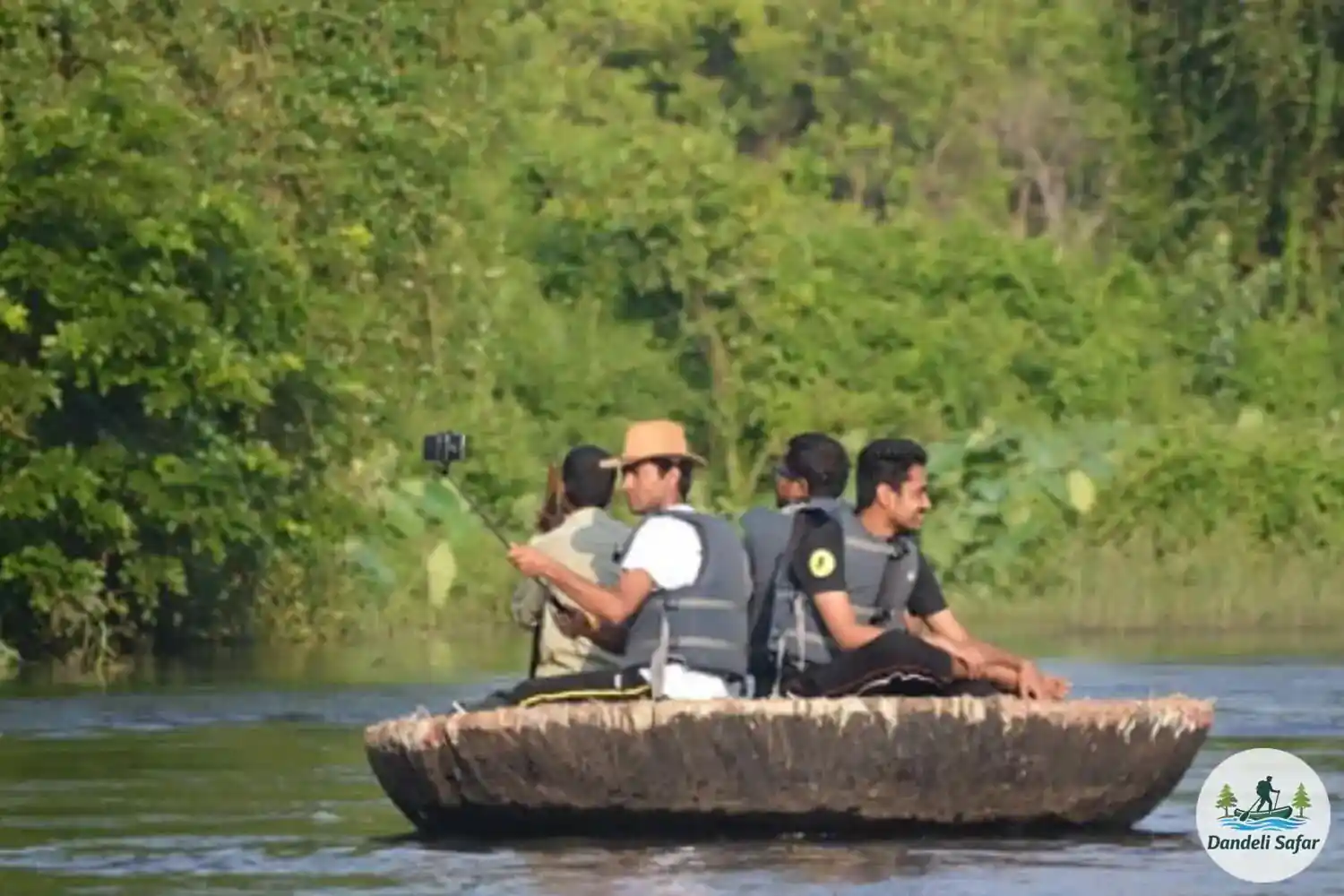
- Coracle rides: Traditional boats with zero carbon footprint
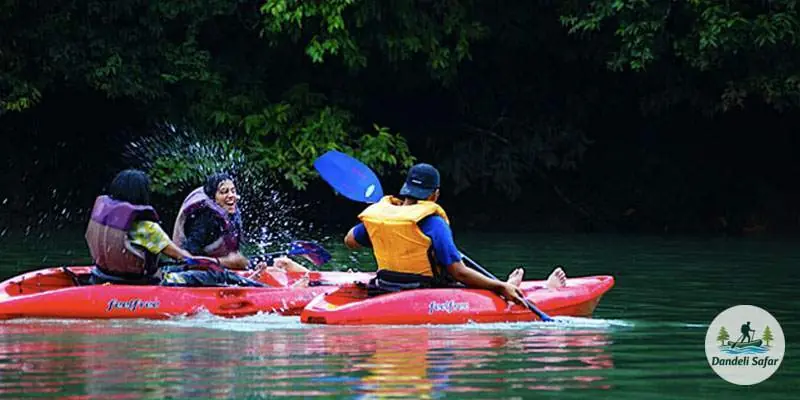
- Kayaking: Silent paddling through backwaters
- Bird watching: Early morning wetland bird surveys
- Photography walks: Capture wetland beauty responsibly
- Nature interpretation walks: Learn from local guides
- River bank clean-up drives: Give back to the ecosystem
Visual Highlights
Glimpse the wetland wonders of Dandeli.
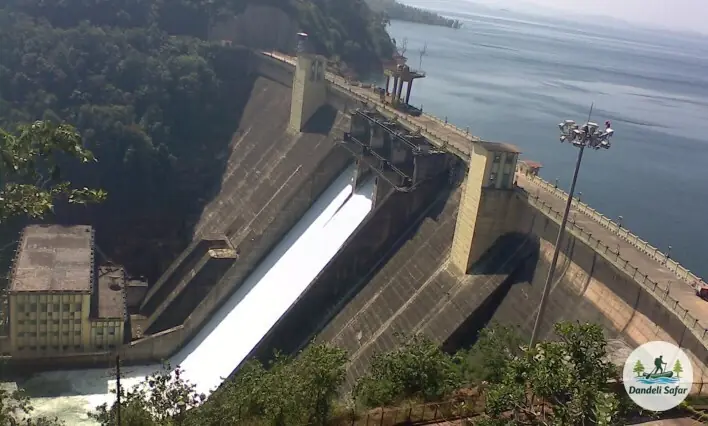
Supa Dam: Man-Made Wetland Wonder
The Supa Dam, built across the Kali River, has created extensive backwaters that function as artificial wetlands. These areas now support diverse wildlife and offer unique tourism experiences.
- Dam height: 101 meters (one of Karnataka's tallest)
- Reservoir area: Spreads across forested valleys
- Wildlife benefit: Created new habitats for water birds
- Boating: Calm waters ideal for eco-tourism activities
- Scenic value: Stunning views of Western Ghats
- Tip: Visit during morning hours for mist-covered landscapes
Conservation Importance
Understanding why wetlands matter helps us appreciate and protect them. The Kali River system performs crucial ecological services often taken for granted.
- Water purification: Natural filtration of water through vegetation
- Flood control: Wetlands absorb excess water during monsoons
- Groundwater recharge: Maintains water table in surrounding areas
- Carbon storage: Wetland plants sequester significant carbon
- Biodiversity hotspot: Supports endangered species
- Livelihood support: Local fishing communities depend on healthy waters
Sample World Wetlands Day Itinerary
A thoughtfully planned day to experience Dandeli's wetlands on February 2nd, 2026.
- 5:30 AM: Wake up for early bird watching session
- 6:00 AM: Wetland bird walk along Kali River banks
- 8:00 AM: Breakfast at resort
- 9:30 AM: Coracle ride to observe aquatic habitat
- 11:00 AM: Visit to Supa Dam viewpoint
- 1:00 PM: Lunch break with river views
- 3:00 PM: Kayaking through calm backwaters
- 5:00 PM: Crocodile spotting boat safari
- 6:30 PM: Sunset reflection and nature journaling
- 7:30 PM: Dinner with discussion on wetland conservation
February Weather for Wetland Visits
Early February offers ideal conditions for exploring wetland areas in Dandeli.
- Temperature: 15-30 degrees Celsius (pleasant throughout)
- Humidity: Low, comfortable for outdoor activities
- Water clarity: Good visibility in rivers
- Wildlife activity: Animals active at water sources
- Bird presence: Winter migrants still present
- Best timing: Early morning (6-9 AM) and late afternoon (4-6 PM)
Responsible Wetland Tourism
Celebrate World Wetlands Day by being a responsible visitor. Your actions today protect these ecosystems for future generations.
- Stay on designated paths near water bodies
- No littering - carry back all waste
- Avoid using chemical sunscreens near water
- Maintain silence to not disturb wildlife
- Do not feed wild animals or fish
- Use eco-friendly boats (coracles, kayaks) over motorboats
- Support local guides who practice sustainable tourism
- Share your experience to spread wetland awareness
How to Plan Your Visit
Contact Dandeli Safar to arrange a World Wetlands Day experience that includes wetland-focused activities and stays at eco-friendly resorts.
- Browse resorts near water: /resorts
- Early February availability: Book 2 weeks in advance
- Group packages: Available for nature clubs and schools
- Customized itinerary: Request wetland-focused activities
- Local guides: Knowledgeable about river ecosystems
- Photography permits: Can be arranged for dam areas