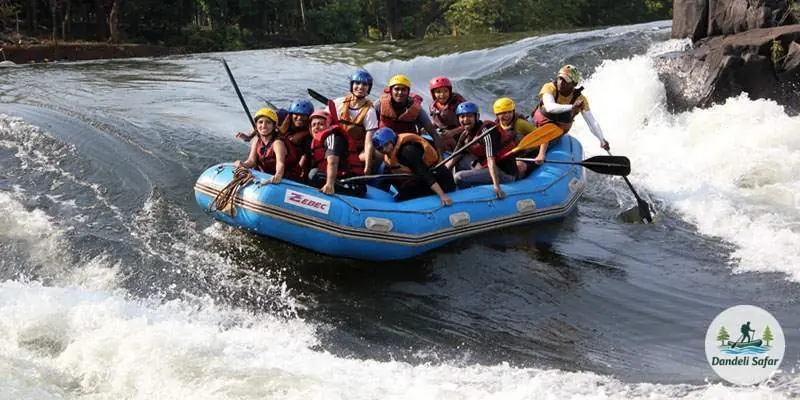
Pristine Kali River surrounded by lush greenery suitable for rafting and kayaking
Travel Guide12 December 20257 min read

World Rivers Day 2026 in Dandeli: Kali River Experience

Guide

Dandeli World Rivers Day: Kali River Special

Rivers Day greetings-celebrate the Kali with quiet paddles and clean shores.

Try coracles, kayaking, and riverfront stays while keeping zero-litter rules.

Plan riverside dayDandeli Safar team can tailor dates, stays, and activities for this theme.

This World Rivers Day guide is for travellers who want to centre their visit on the Kali River while practising low-impact, safety-first river stewardship. The excerpt summarises practical planning points: how river hydrology and dam releases affect activity availability, how to choose between guided rafting and calm-water experiences, and what simple behaviours make a measurable difference to freshwater ecosystems. It also provides a short operational checklist so visitors can align arrival windows, transfers and activity reservations with realistic river conditions. The guide explains river-aware timing and safety: why early-morning calm stretches are best for birdwatching and coracle rides, how experienced outfitters schedule rafting based on flow and safety guidance, and why carrying only biodegradable or refillable toiletries near water avoids downstream pollution. For families and non-swimmers the excerpt outlines low-intensity alternatives (backwater kayaking, guided riverbank walks, and supervised coracle sessions) and the protective gear and briefings that make these options safe and educational. Beyond activities, the excerpt highlights conservation-minded behaviour: always carry back plastics, avoid soaps in any freshwater, respect marked no-entry zones, and observe wildlife from a respectful distance. Operational guidance includes coordinating arrival times from Hubli/Dharwad, confirming operator safety certifications, and allowing flexibility for last-minute schedule changes driven by weather or dam management. The tone is factual and advisory — providing verifiable logistics and clear steps readers can follow to enjoy the Kali River responsibly on World Rivers Day.

Celebrate World Rivers Day on the Kali

World Rivers Day on the fourth Sunday of September highlights the importance of rivers around the world. In Dandeli, the Kali River shapes landscapes, supports wildlife, and powers eco-tourism.

A trip focused on the river helps you see it as more than just a place for adventure – it is a living system that needs respect and care.

Understanding the Kali River System

Before jumping into activities, it helps to learn how the Kali River flows through the region.

  • Originates in the Western Ghats and flows west to the Arabian Sea
  • Forms backwaters and reservoirs such as the Supa Dam region
  • Feeds wetlands, riparian forests, and small village-level water sources
  • Supports fish, otters, crocodiles, turtles, and riverine birds
  • Provides livelihood support through tourism and local fisheries in some stretches

River-Friendly Activities in Dandeli

Kali River activities can be exciting and educational when done with safety and sensitivity.

Rafting and Safety Awareness

White water rafting is one of Dandeli's most recognised activities. Guided rafting helps you experience the power of the river while staying within safe limits.

  • Rafting image: /assets/activities/water-rafting-1.webp
  • Always follow your guide's commands in the raft
  • Use approved life jackets and helmets only
  • Avoid throwing plastic bottles or waste into the river

Calm-Water Experiences

If you prefer slower activities, calm backwater kayaking and coracle rides are ideal. These allow you to quietly observe river banks, birds, and reflections.

  • Kayaking: /assets/activities/kayaking.webp
  • Coracle ride: /assets/activities/coracle-ride-in-dandeli-price.webp
  • Early mornings and late evenings are especially peaceful

Riverbank Walks and Photography

Short riverbank walks with a guide can introduce you to aquatic plants, sand patterns, and the sounds of flowing water. Responsible photography encourages you to observe closely without disturbing habitats.

  • River views: /assets/activities/kali-river.webp
  • Use zoom instead of going too close to wildlife
  • Avoid flash near birds and animals
  • Do not trample vegetation just for a better angle

Suggested Itinerary for World Rivers Day Weekend

Use this outline as a reference and adjust based on your group's energy and interests.

  • Day 1 Afternoon: Arrive and settle in, sunset walk to a safe river viewpoint
  • Day 1 Night: Introductory talk on Kali River and safety briefing
  • Day 2 Morning: Rafting session or calm-water kayaking depending on comfort
  • Day 2 Afternoon: Riverbank birdwatching and photography
  • Day 2 Evening: Reflection circle on river conservation around a bonfire
  • Day 3 Morning: Short nature walk and departure after breakfast

Responsible Behaviour Near Rivers

Freshwater ecosystems are sensitive. Simple behaviour changes keep them healthier for longer.

  • Avoid soaps, shampoos, or detergents directly in river water
  • Carry back all plastic, snack wrappers, and tissue waste
  • Respect no-entry zones and safety warnings marked by operators
  • Keep music volume low near water bodies
  • Observe wildlife from a distance without feeding or chasing them

Plan Your World Rivers Day Trip with Dandeli Safar

If you want your trip to focus on the Kali River rather than just ticking off activities, advance planning helps. Dandeli Safar can assist with choosing resorts, activity combinations, and ideal dates.

  • Help you understand seasonal changes in river flow and activity availability
  • Coordinate rafting, kayaking, and coracle rides with trusted operators
  • Suggest balanced itineraries mixing thrill, learning, and rest
  • Arrange plans for families, friend groups, or office teams

Frequently Asked Questions

When is World Rivers Day 2026?

World Rivers Day is usually celebrated on the fourth Sunday of September. For 2026, you can plan a Dandeli trip around that weekend and use the days before or after to explore the Kali River region.

Is rafting always available in September?

Availability depends on rainfall, dam releases, and safety guidelines at that time. Before planning a dedicated rafting trip, check current conditions through Dandeli Safar so expectations are clear.

Can non-swimmers join Kali River activities?

Many activities such as coracle rides and calm-water kayaking can be planned for non-swimmers with proper safety gear and guidance. Always follow the operator's advice and choose options that match your comfort level.

What is the best duration for a World Rivers Day trip?

A 2-night, 3-day plan usually works well. It gives you time for one or two water-based activities, a nature walk, and relaxed time at the resort without rushing.

How do we start planning a Kali River-focused trip?

Share your preferred dates, number of nights, group size, and interests with Dandeli Safar. The team can recommend resorts and activities that keep the river at the centre of your experience.

Ready to Plan Your Dandeli Trip?

Get tailored dates, stays, and activity slots from the Dandeli Safar team.

Contact Us Now

Related Articles

Pristine Kali River surrounded by lush greenery suitable for rafting and kayaking

World Wetlands Day 2026 in Dandeli: Explore the Kali River Ecosystem

This World Wetlands Day guide for Dandeli explains how the Kali River's mosaic of backwaters, riparian corridors and reservoir margins functions as a living wetland system, and it gives visitors concrete steps to observe, learn and contribute without increasing pressure on fragile habitats. The excerpt begins with a short primer on wetland value—water purification, flood moderation, groundwater recharge and habitat provision—and then translates those concepts into visitor-facing decisions: where to position a birdwatching session to reduce disturbance, why choosing coracle and human-powered boating routes helps preserve littoral vegetation, and how to time visits for optimal wildlife activity while keeping human presence minimal. Practical field guidance is included: arrive early for quieter birdwatching windows; confirm operator briefing and lifejacket availability for coracle rides; avoid soaps and detergents near any freshwater; and always pack out all waste, especially plastics and food packaging. The excerpt also outlines small ways to bring positive impact—participate in guided clean-up drives, support local communities by booking licensed boatmen and guides, and consider small donations to documented local wetland conservation initiatives rather than informal cash transfers. For planners and educators, the text suggests pairing a short interpretive talk with a safe, low-footprint wetland walk that highlights common species and the adaptive behaviours of marsh and riparian fauna. Operational logistics are practical: sample itineraries (early-morning bird walks, coracle rides, guided wetland interpretation, and post-lunch conservation discussions), travel and safety checks for wetland boat trips, and contingency options if higher flows or dam releases alter launch points. The excerpt deliberately avoids promotional superlatives and instead supplies verifiable checks—how to confirm launch points, what to ask about operator safety and waste practices, and simple packing lists that protect both visitors and wetlands. The tone is educational and actionable, designed to help travellers, educators and small-group organisers plan an informative World Wetlands Day visit that supports conservation outcomes while delivering a meaningful firsthand understanding of the Kali River ecosystem.

White water rafting adventure on challenging Kali River rapids in Dandeli

Dandeli Rafting Complete Guide: Flow Windows, Slots, and Safety

This complete rafting guide for Kali River is a practical briefing for travellers planning a river run in Dandeli. The extended preview clarifies how rafting operates (controlled water releases, batch timings and safety briefings), how seasonal flow windows influence scheduling and difficulty, and what operational checks to run before your travel date. It focuses on actionable preparation—what to pack, who should avoid rafting, and how to choose a slot that matches your group's comfort level—without making promises about specific river conditions on any given day. Key planning points include understanding the flow window: rafting depends on scheduled releases from the dam and forest department permissions; these create discrete batches during which operators transport groups to the launch point and run a guided section of the river. Typical end-to-end timings range from 2.5 to 3 hours including briefing and shuttles. Morning slots are commonly preferred for cooler weather and smoother water; late afternoon batches are conditional on light and flow. Safety and eligibility are covered in detail: mandatory life jackets and helmets, minimum age or height considerations, medical restrictions (back/heart conditions and pregnancy), and the rescue protocols operators follow. The guide provides an equipment checklist—quick-dry clothing, secure footwear, waterproof pouches for essentials, and a dry-change bag at the finish point—and explains the role of the guide during commands and rescue drills. Booking and contingency planning are practical priorities: reserve slots 1–2 weeks ahead during peak season, confirm group size and any medical notes with the operator, and ask about refund or reschedule policies for high-flow or low-flow shutdowns. If rafting is unavailable, the guide suggests alternate water activities—kayaking short stretches, coracle rides, or river viewpoint visits—that keep the day engaging. The full article also includes recommended on-site behaviours for non-swimmers, camera policy guidance for helmet or body mounts, and a brief troubleshooting section for cancellations. It aims to equip first-timers and experienced paddlers alike with clear expectations, sensible packing, and coordination tips to make the rafting day safer and more predictable—not by promising outcomes, but by improving the planning around the river run.

Pristine Kali River surrounded by lush greenery suitable for rafting and kayaking

Kali River Guide: Activities, Ecology, and Riverside Stays

The Kali River is the lifeline of Dandeli—powering adventure activities, shaping riparian habitats and creating riverside stays that invite quiet observation as well as active water sports. This extended preview acts as a practical primer for travellers who want to plan eco-friendly, safe and well-timed experiences along the Kali: where to paddle, which stretches run rafting batches, how dam-release schedules affect flow, and what to ask operators about safety and permits. It begins with an accessible map of activity zones—Ganeshgudi as the main rafting launch and birding corridor, Maulangi for coracle rides and scenic picnic spots, Supa backwaters for calm kayaks and SUPs, and downstream viewpoints for photography and river ecology observation. Seasonality and flow management are central topics: controlled releases from Supa Dam create windowed opportunities for rafting, while monsoon volumes temporarily close some activities for safety. The article explains how to check flow windows, plan morning or afternoon sessions to match operator schedules, and build buffer time into travel plans to avoid night-time ghat driving. It also includes practical guidance on equipment—quick-dry clothing, secure footwear, dry-change bags and reef-safe sunscreen—and a recommended packing checklist aimed at families and mixed-ability groups. Ecology and low-impact behaviour are emphasised: the guide describes river-dependent species such as mahseer, otters and riparian birds and explains why avoiding litter, using biodegradable sun protection and choosing guided activities helps protect water quality and fish habitats. For anglers, the excerpt clarifies that regulated permits are usually required for mahseer fishing and that legal options should be confirmed well before travel. For photographers and birders, distance and timed-observation tips help capture images responsibly without disturbing wildlife. Logistics cover riverside accommodation choices—from rustic cabins and jungle camps to boutique homestays—plus sample combo itineraries that balance rafting or kayaking with restful riverfront time. The article provides contingency swaps if water releases change—shorter paddling routes, coracle experiences, or additional birding—and closes with a brief operator checklist to use when booking: operator certification, included safety gear, shuttle arrangements, group size limits, and refund policies for weather or flow cancellations. The tone is practical and agent-oriented: no promises about river conditions, just clear steps to plan safe, enjoyable and conservation-minded visits along the Kali River.

Real Nature, Real Adventure

Explore Dandeli with Us

50% OFF White Water Rafting

Exclusive discount when booked with any resort package

600300/personSAVE ₹300