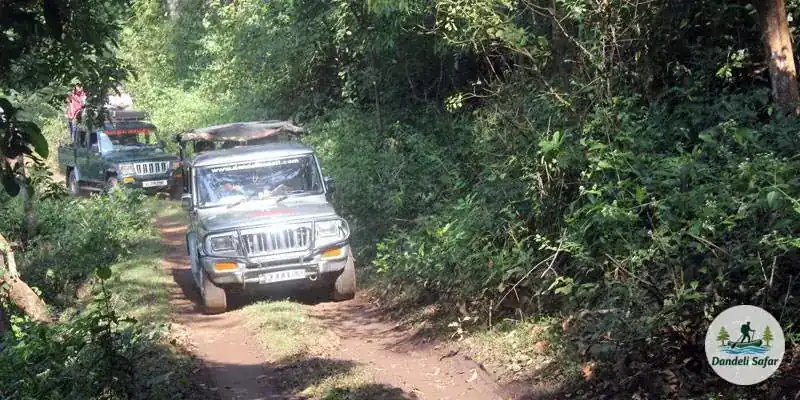
Jungle safari exploring biodiversity hotspot of Dandeli Wildlife Sanctuary
Travel Guide12 December 20257 min read

Dandeli Safari Day: Wildlife Drive & Forest Experience Guide

Adventure

Dandeli Safari Day: Wildlife Encounter

Safari Day wishes - patient drives bring steady sightings.

Book park slots early, keep silence, and respect animal distance rules.

Plan safariDandeli Safar team can tailor dates, stays, and activities for this theme.

A Dandeli Safari Day is designed to be a low-impact, high-observation experience: structured jeep drives and guided forest routes prioritise wildlife welfare while offering visitors a realistic chance to observe mammals, birds and forest behaviour. This extended guide translates that premise into operational checks, on-site etiquette, packing lists and contingency options so families, photographers and small groups can plan an ethical and productive safari day without unrealistic expectations. Booking and pre-drive confirmations are simple but important: verify reporting times, pick-up coordinates, permit requirements and whether the slot is forest-department sanctioned. Private vehicles are usually restricted in core sanctuary zones; prefer organised drives with approved operators. Early morning and late-afternoon slots typically concentrate animal activity near water sources—plan for a prompt start and allow for possible route substitutions depending on ground conditions. Expectations should be modest and process-oriented: safaris commonly reveal birdlife, tracks, signs and smaller mammals as often as close big-cat encounters. Multiple short drives across varied routes tend to be more productive than a single long loop, and staying patient with quiet observation increases the chance of meaningful sightings. For photography, use longer lenses, stabilised setups or bean bags in vehicles, prefer silent camera modes, and avoid flash near sensitive species. Safety and impact reduction are non-negotiable: remain seated and inside authorised vehicles, follow guide instructions instantly, keep noise low to avoid startling animals, and ensure children are supervised and briefed before boarding. Pack a small day kit—water, sun protection, basic first-aid items, binoculars and a charged phone with emergency contacts programmed. If a route is closed or visibility is low, request a permitted alternative or a guided nature walk so your day still delivers interpretive value. The guide includes a compact safari-day checklist (confirm slot time and permits, verify pickup point, carry binoculars and sun protection, bring water and first-aid, and respect vehicle limits) and closes with contingency prompts—how to swap a closed route for an interpretive session and how to log sightings responsibly with reserve staff. The tone is factual, steady and conservation-minded: plan for respectful observation and you increase both the safety and quality of your Dandeli safari day.

What to Expect from a Safari Day in Dandeli

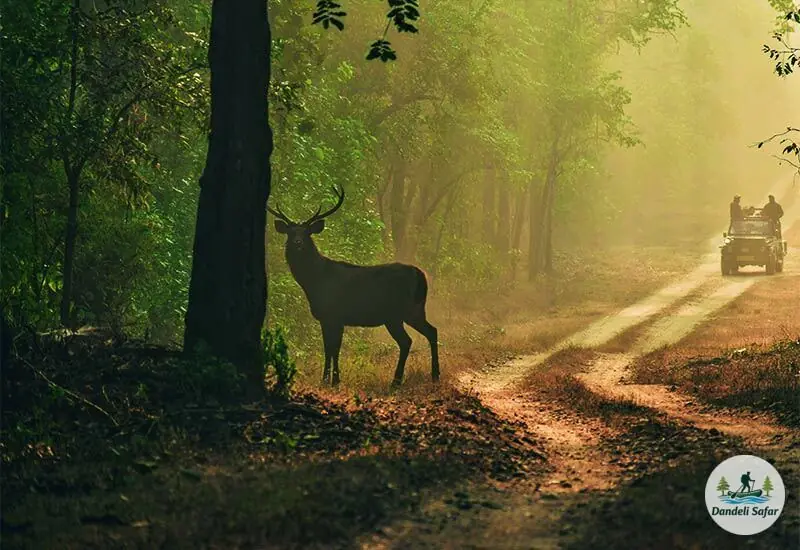
A safari day is not just about chasing a single big animal. It is about soaking in the forest – its light, sounds, and slower rhythms.

Depending on slots and zones, your drive may show you birds, small mammals, forest clearings, and river sections.

Safari Etiquette and Safety

Respectful behaviour keeps the experience safe and ethical for both wildlife and visitors.

  • Safari: /assets/activities/jungle-safari.webp
  • Stay seated inside the vehicle during the drive
  • Keep voices low and avoid sudden movements
  • Do not feed or call out to animals
  • Follow the guide's instructions about photography and timing

Who Enjoys Safari Day Trips?

Safari Day is suitable for a wide range of travellers.

  • Families with children who like animals and forests
  • Friends looking for a calm yet exciting experience
  • Photographers interested in forest light, textures, and landscapes

Planning with Dandeli Safar

Dandeli Safar can help you understand booking processes and realistic expectations.

  • Check slot availability and timing options for your dates
  • Clarify pick-up points and reporting times
  • Combine safaris with other activities without overloading the schedule

Frequently Asked Questions

Are wildlife sightings guaranteed on safari?â–Ľ

No. Forests are not controlled environments. Some drives may offer multiple sightings, while others focus more on landscapes and smaller life forms.

Can children join Dandeli safaris?â–Ľ

Age and policy guidelines are set by the local authorities and operators. It is best to check current rules and mention children's ages while booking.

Ready to Plan Your Dandeli Trip?

Get tailored dates, stays, and activity slots from the Dandeli Safar team.

Contact Us Now

Related Articles

Jungle safari exploring biodiversity hotspot of Dandeli Wildlife Sanctuary

World Animal Day 2026 in Dandeli: Wildlife Safari Guide

World Animal Day is a great reminder to step into wildlife habitats respectfully. Plan a Dandeli trip with safaris, birding, and forest drives that celebrate animals without disturbing them.

Jeep safari through dense Dandeli forest trails for wildlife spotting adventure

Dandeli Jungle Safari Guide: Kali Tiger Reserve Routes & Permits

This practical jungle safari guide explains how jeep safaris inside the Kali Tiger Reserve (KTR) are organised, what the typical permit and timing considerations look like, realistic expectations for wildlife sightings, and how to prepare for forest rules and responsible viewing. The aim is to help travellers plan jeep-safari outings with an operational mindset—book permits early, choose suitable time slots, respect forest department regulations, and arrive prepared for photography and a patient pace of wildlife watching. Permits and timing: Safari slots and permits are managed by the forest department and often divide into morning and afternoon windows. Morning drives typically leave before sunrise and can last until late morning; evening drives begin in the afternoon and return around dusk. Because the number of vehicles and guests per slot is limited, it is helpful to share your preferred date range early and accept nearby alternate dates if your ideal slot is already reserved. Entry gates and routes: Popular entry gates into KTR include Kulgi and surrounding checkposts, and the route you use will determine how long drives take and which habitats you will visit. Some gates focus on river-edge habitats while others lead to mixed deciduous and dense-canopy areas where different species are more likely to appear. Discuss route and gate options with your operator so you can align the drive with your wildlife interests. What to expect on sightings: Wildlife sightings are variable and influenced by season, temperature and recent rainfall. The reserve hosts species such as gaur, elephants, deer, Malabar giant squirrels, hornbills and numerous bird species; large cats are present but sightings are rare and cannot be promised. Guides and trackers increase the likelihood of meaningful observations, and patient, quiet behaviour combined with an early or late-day schedule often yields the best opportunities. Responsible conduct: Follow the guide and forest department rules closely—remain inside the authorised vehicle, avoid loud noises, do not feed wildlife, and do not litter. Photographic flash is discouraged for sensitive species. Respect safe viewing distances and the permit limits that help keep disturbance low for animals. Preparing for comfort and photography: Wear neutral-coloured clothing and carry modest binoculars for general viewing. For photographers, a telephoto lens and a compact tripod or monopod help with steady shots from the jeep; carry silica pouches for optics in humid months. Also bring a light jacket for early mornings and basic motion-sickness remedies if you are prone to discomfort on bumpy tracks. Seasonal considerations: Post-monsoon and winter months (October–February) often provide pleasant temperatures and easier wildlife movement near water sources, but each season yields different viewing benefits—monsoon drives showcase dramatic landscapes while dry months concentrate animal movement near remaining waterholes. Operators will advise on the practicalities of each season when you discuss dates. Logistics and accessibility: Arrive at gates at least 30–45 minutes before the scheduled reporting time to finish permits and briefings. Carry government ID for all guests as permit issuance requires verification. If any member of your group has mobility concerns, request accessible vehicle options in advance. Final note: A jeep safari is an opportunity to observe wildlife ethically and patiently. Managing expectations, respecting local rules, and choosing experienced guides are the most reliable ways to make the experience rewarding while protecting the reserve's ecological balance.

Jeep safari through dense Dandeli forest trails for wildlife spotting adventure

Dandeli Wildlife Guide: Species Checklist, Habitats, and Ethics

This Dandeli Wildlife Guide is a practical, conservation-first resource for visitors who want repeatable, low-impact ways to observe wildlife around the Kali Tiger Reserve and neighbouring forest tracts. The extended excerpt translates habitat context into field-ready advice: understand the main habitat zones (riverine banks, moist deciduous canopy and rocky outcrops), set realistic expectations for sightings, and prioritise ethical viewing practices and appropriate equipment—binoculars, field notes, neutral clothing and quiet observation techniques—rather than chasing improbable encounters. Operationally, the guide explains how authorised safaris and guided walks are organised, why staying inside vehicles or at designated viewpoints benefits animal welfare, and which seasonal windows concentrate animal activity near water. It provides actionable tips on where to position yourself for dawn and dusk views, how to read animal signs (tracks, droppings and alarm calls), and which routes historically favour herbivore sightings versus canopy bird activity. A concise species checklist covers commonly observed mammals (gaur, spotted deer, sambar), birds (Malabar and greater hornbills, drongos, woodpeckers) and reptiles (monitor lizards, marsh crocodiles), with a reminder that wildlife encounters remain probabilistic and improve with multiple outings across different routes. Ethical conduct is central: keep distance, avoid flash photography, follow naturalist and guide instructions, do not feed wildlife, and respect closure notices for breeding or restoration zones. Photography guidance recommends telephoto lenses, silent camera modes, and patient framing that does not prompt vehicles to chase animals. For birdwatchers and families, the guide includes short, timed walk templates for dawn birding and child-friendly viewing points with accessible approaches. Conservation linkage and visitor impact are practical, not performative—report rare sightings responsibly to reserve authorities, reward careful guiding with constructive feedback and appropriate gratuities, and choose operators who follow forest department rules and contribute to local conservation efforts. Seasonality notes advise when to prioritise safaris (post-monsoon to pre-monsoon) versus river-based activities, and contingency planning recommends alternative educational experiences—village eco-visits, river viewpoint sessions, or naturalist talks—when core zones are closed. The goal is concrete: give travellers the questions to ask before booking (permit needs, vehicle capacities, guide qualifications), checklists for packing and timing, and the field behaviours that create safer, repeatable wildlife experiences while supporting habitat protection and local livelihoods. The tone remains factual and verifiable—no sensational promises—so visitors can plan trips that are respectful, educational and resilient to changing field conditions.

Real Nature, Real Adventure

Explore Dandeli with Us

50% OFF White Water Rafting

Exclusive discount when booked with any resort package

₹600₹300/personSAVE ₹300