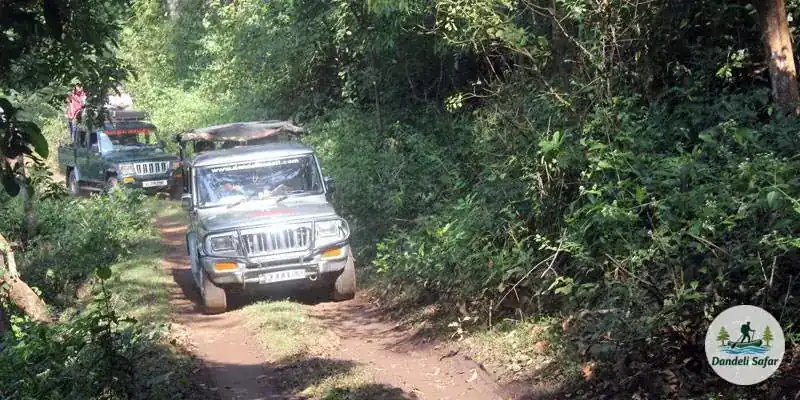
Jeep safari through dense Dandeli forest trails for wildlife spotting adventure
Adventure12 December 202512 min read

Dandeli Wildlife Guide: Species Checklist, Habitats, and Ethics

Guide

Dandeli Wildlife: Animals You Can Spot

Wildlife guide - know the habitats and strong viewing slots.

Book morning drives, avoid loud colors, and keep to park rules.

View wildlife guideDandeli Safar team can tailor dates, stays, and activities for this theme.

This Dandeli Wildlife Guide is a practical, conservation-first resource for visitors who want repeatable, low-impact ways to observe wildlife around the Kali Tiger Reserve and neighbouring forest tracts. The extended excerpt translates habitat context into field-ready advice: understand the main habitat zones (riverine banks, moist deciduous canopy and rocky outcrops), set realistic expectations for sightings, and prioritise ethical viewing practices and appropriate equipment—binoculars, field notes, neutral clothing and quiet observation techniques—rather than chasing improbable encounters. Operationally, the guide explains how authorised safaris and guided walks are organised, why staying inside vehicles or at designated viewpoints benefits animal welfare, and which seasonal windows concentrate animal activity near water. It provides actionable tips on where to position yourself for dawn and dusk views, how to read animal signs (tracks, droppings and alarm calls), and which routes historically favour herbivore sightings versus canopy bird activity. A concise species checklist covers commonly observed mammals (gaur, spotted deer, sambar), birds (Malabar and greater hornbills, drongos, woodpeckers) and reptiles (monitor lizards, marsh crocodiles), with a reminder that wildlife encounters remain probabilistic and improve with multiple outings across different routes. Ethical conduct is central: keep distance, avoid flash photography, follow naturalist and guide instructions, do not feed wildlife, and respect closure notices for breeding or restoration zones. Photography guidance recommends telephoto lenses, silent camera modes, and patient framing that does not prompt vehicles to chase animals. For birdwatchers and families, the guide includes short, timed walk templates for dawn birding and child-friendly viewing points with accessible approaches. Conservation linkage and visitor impact are practical, not performative—report rare sightings responsibly to reserve authorities, reward careful guiding with constructive feedback and appropriate gratuities, and choose operators who follow forest department rules and contribute to local conservation efforts. Seasonality notes advise when to prioritise safaris (post-monsoon to pre-monsoon) versus river-based activities, and contingency planning recommends alternative educational experiences—village eco-visits, river viewpoint sessions, or naturalist talks—when core zones are closed. The goal is concrete: give travellers the questions to ask before booking (permit needs, vehicle capacities, guide qualifications), checklists for packing and timing, and the field behaviours that create safer, repeatable wildlife experiences while supporting habitat protection and local livelihoods. The tone remains factual and verifiable—no sensational promises—so visitors can plan trips that are respectful, educational and resilient to changing field conditions.

Forest Zones

Kali Tiger Reserve stretches over 1,300 sq km of moist deciduous forest, riverine tracts, and grass clearings. Entry gates such as Kulgi, Phansoli, and Anshi provide different terrain profiles.

Key Species

Common sightings include gaur, spotted deer, sambar, Malabar giant squirrels, and hornbills. Lucky travellers might glimpse elephants, black panthers, or big cats.

  • Large Mammals: gaur, elephants, wild boar
  • Carnivores: leopard, dhole, civet (rare)
  • Birds: hornbills, drongos, woodpeckers, brahminy kites
  • Reptiles: monitor lizards, Malabar pit vipers near streams /assets/activities/kali-river.webp

Best Time for Sightings

November to April offers clear tracks and concentrated activity near water sources. Early morning safaris (6 AM) or late afternoon runs (3:30 PM) provide the right mix of light and animal movement.

How to Improve Your Chances

Tips to maximize your chances of spotting wildlife during your Dandeli safari.

  • Book multiple safaris to cover different routes
  • Maintain silence—guides use audio cues to locate wildlife
  • Carry binoculars and note fresh pugmarks or alarm calls

Responsible Conduct

Stay inside vehicles, avoid flash, and never feed animals. Forest rules exist to protect both visitors and habitats—listen to the naturalist at all times.

Add-On Experiences

Pair safaris with birding walks, night trails within camp premises, or visits to Kali River viewpoints to understand broader ecosystems.

Frequently Asked Questions

Do I need to pre-book safaris?â–Ľ

Yes. Slots are limited. Share your preferred dates 7–10 days ahead so we can coordinate permits.

Can children join wildlife drives?â–Ľ

Kids above five are allowed if they can remain seated and quiet. Morning chill can be strong, so pack layers.

Are private vehicles allowed inside the reserve?â–Ľ

No. Only forest department jeeps enter core zones. This keeps the terrain regulated and minimizes disturbance.

Ready to Plan Your Dandeli Trip?

Get tailored dates, stays, and activity slots from the Dandeli Safar team.

Contact Us Now
Related Articles

Jeep safari through dense Dandeli forest trails for wildlife spotting adventure

Dandeli Jungle Safari Guide: Kali Tiger Reserve Routes & Permits

This practical jungle safari guide explains how jeep safaris inside the Kali Tiger Reserve (KTR) are organised, what the typical permit and timing considerations look like, realistic expectations for wildlife sightings, and how to prepare for forest rules and responsible viewing. The aim is to help travellers plan jeep-safari outings with an operational mindset—book permits early, choose suitable time slots, respect forest department regulations, and arrive prepared for photography and a patient pace of wildlife watching. Permits and timing: Safari slots and permits are managed by the forest department and often divide into morning and afternoon windows. Morning drives typically leave before sunrise and can last until late morning; evening drives begin in the afternoon and return around dusk. Because the number of vehicles and guests per slot is limited, it is helpful to share your preferred date range early and accept nearby alternate dates if your ideal slot is already reserved. Entry gates and routes: Popular entry gates into KTR include Kulgi and surrounding checkposts, and the route you use will determine how long drives take and which habitats you will visit. Some gates focus on river-edge habitats while others lead to mixed deciduous and dense-canopy areas where different species are more likely to appear. Discuss route and gate options with your operator so you can align the drive with your wildlife interests. What to expect on sightings: Wildlife sightings are variable and influenced by season, temperature and recent rainfall. The reserve hosts species such as gaur, elephants, deer, Malabar giant squirrels, hornbills and numerous bird species; large cats are present but sightings are rare and cannot be promised. Guides and trackers increase the likelihood of meaningful observations, and patient, quiet behaviour combined with an early or late-day schedule often yields the best opportunities. Responsible conduct: Follow the guide and forest department rules closely—remain inside the authorised vehicle, avoid loud noises, do not feed wildlife, and do not litter. Photographic flash is discouraged for sensitive species. Respect safe viewing distances and the permit limits that help keep disturbance low for animals. Preparing for comfort and photography: Wear neutral-coloured clothing and carry modest binoculars for general viewing. For photographers, a telephoto lens and a compact tripod or monopod help with steady shots from the jeep; carry silica pouches for optics in humid months. Also bring a light jacket for early mornings and basic motion-sickness remedies if you are prone to discomfort on bumpy tracks. Seasonal considerations: Post-monsoon and winter months (October–February) often provide pleasant temperatures and easier wildlife movement near water sources, but each season yields different viewing benefits—monsoon drives showcase dramatic landscapes while dry months concentrate animal movement near remaining waterholes. Operators will advise on the practicalities of each season when you discuss dates. Logistics and accessibility: Arrive at gates at least 30–45 minutes before the scheduled reporting time to finish permits and briefings. Carry government ID for all guests as permit issuance requires verification. If any member of your group has mobility concerns, request accessible vehicle options in advance. Final note: A jeep safari is an opportunity to observe wildlife ethically and patiently. Managing expectations, respecting local rules, and choosing experienced guides are the most reliable ways to make the experience rewarding while protecting the reserve's ecological balance.

Great hornbill bird spotted during bird watching in Dandeli Wildlife Sanctuary

Dandeli Birdwatching Guide: Habitats, Species, and Dawn Trails

This Dandeli Birdwatching Guide is an operational, habitat-focused manual designed for both newcomers and experienced birders who want reliable approaches to spotting emblematic Western Ghats species—hornbills, kingfishers, barbets and a wide array of resident and migratory passerines—without compromising ethical field behaviour or local regulations. The guide explains which microhabitats (riverine edges, canopy corridors, bamboo groves and riparian shrub) produce the highest species diversity at different times of year, and it provides precise timing cues so birders can plan dawn and dusk outings to overlap with peak activity windows. We categorise observation zones by accessibility and expected species groups: Ganeshgudi backwaters and river islands for waterbirds and hornbills, Kulgi and Maulangi trails for canopy specialists and drongos, and timber-yard viewpoints for kingfisher and wader sightings. Each entry includes safe access notes (how to approach hides, where to keep boats or vehicles anchored, and points where forest permits are required) and practical tips on how to set up a riverside hide or use a bean bag for steady telephoto work. Field gear recommendations are concrete: binoculars (8x42 or 10x42), a telephoto lens when possible, a compact tripod or bean bag for river boats, lightweight field guides or offline birding apps, and small notebooks for logging sightings. We emphasise sound-recording etiquette and teach how to use call-playback sparingly and only under expert guidance to avoid disrupting breeding territories. Seasonality sections explain why November–March is the general high-season for activity and migrants, while pre-monsoon and monsoon windows reveal breeding plumages and nesting behaviours that can reward patient observers. Practical itineraries balance river safaris with dawn canopy walks and guided hide sessions to give a mix of distant and close-up observation opportunities. Ethical birding and safety are core themes: keep quiet, remain on marked trails, avoid nest disturbance, respect distance guidelines and follow forest staff instructions. Booking checklists cover how to reserve naturalists, coordinate early pickups, obtain required permits and align group sizes to minimise disturbance. The guide concludes with quick-reference checklists and contingency options—if heavy rain cancels a river session, recommended alternatives include village eco-visits, canopy observations from staff-approved viewpoints, or guided indoor talks that deepen field knowledge. The writing is factual and actionable to help birders plan productive, low-impact visits to Dandeli.

Real Nature, Real Adventure

Explore Dandeli with Us

50% OFF White Water Rafting

Exclusive discount when booked with any resort package

₹600₹300/personSAVE ₹300