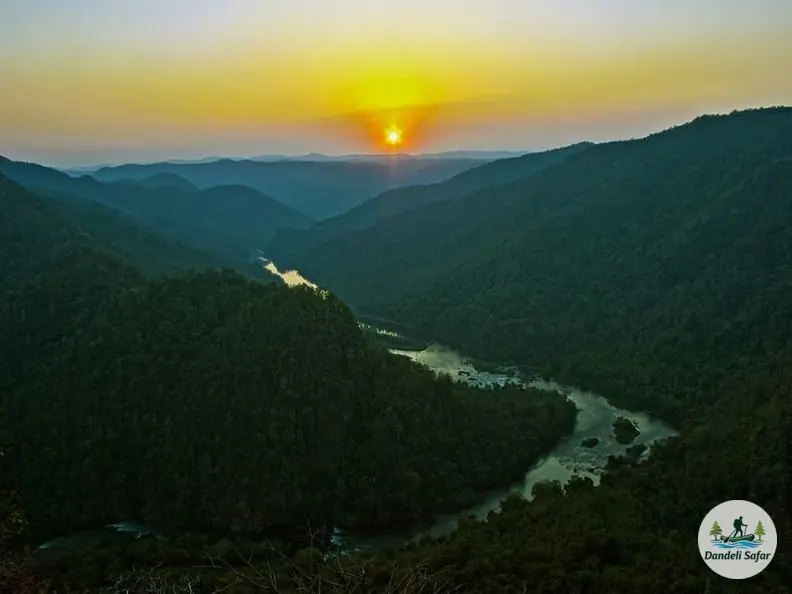
Sunrise view over misty Dandeli forest from hilltop viewpoint
Travel Guide12 December 20257 min read

World Photography Day 2026 in Dandeli: Capture the Jungle and River

Guide

Dandeli World Photography Day: Capture the Wild

Photography Day wishes-golden-hour rivers, hornbills, and misty canyons await.

Carry silent shutters, respect distances, and map sunrise spots ahead.

Plan photo trailDandeli Safar team can tailor dates, stays, and activities for this theme.

Approach World Photography Day in Dandeli as a deliberate practice: plan for light, subject, and respectful behaviour so your time yields better images and leaves minimal impact. This extended guide gives photographers—beginners, hobbyists and small groups alike—practical templates for timing, gear choices, field etiquette, and fallback activities when weather or wildlife behaviour does not cooperate. It stresses observation over intrusion: favour longer lenses and patience, and always prioritise guidance from local naturalists and property staff when working near sensitive habitats. Start by defining the subjects that matter to your shoot: birds and small mammals reward long focal lengths and quiet patience; riverscapes and reflections benefit from golden-hour light and tripod work; environmental portraits of people and communities need clear consent and respectful framing. Schedule travel so you arrive the evening before early-morning shoots; first light is often the most productive window for both bird activity and clean river reflections. Reserve late mornings for gear maintenance, image review and short editing exercises, then return to vantage points at golden hour for layered landscapes and soft textures. Operational checks reduce friction on the day: pack multiple batteries and memory cards, carry simple rain protection for cameras and backpacks, desiccate silica packs if humidity is high, and use taped labels on card cases to avoid mix-ups. Confirm early pickup times with drivers and ask properties about quiet windows at hides or low-traffic vantage points. For groups, keep numbers small at hides and alternate shifts so everyone shoots without crowding a single spot. Ethics and permissions are central: do not bait wildlife or cross barriers for a tighter frame, respect minimum distancing guidance from your guide, and switch off noisy camera settings when working close to animals. For portraits, always obtain explicit consent and explain how images will be used; a printed photograph or a respectful exchange of stories is a simple way to acknowledge participation when practical. Weather and light in Dandeli require flexible planning. Monsoon months bring dramatic skies, saturated colours and intermittent rain—these conditions reward protective covers, fast shutter speeds for river motion, and compositions that embrace mist and cloud layers. If rain limits outdoor shooting, pivot to skills-focused alternatives: composition workshops, controlled portrait practice under shelter, equipment care sessions, or an evening light-painting exercise near a supervised bonfire. Editing and post-production practices recommended here are modest and repeatable: import and back up images nightly, apply conservative exposure and colour corrections that preserve natural tones, and keep metadata and captions accurate to location and subject. Respect privacy when sharing images publicly—avoid geotagging sensitive nesting sites or exact coordinates that would expose wildlife to disturbance. > Sample World Photography Day schedule (flexible): Pre-dawn: travel to vantage point; Dawn–08:30: bird and riverscape sessions; 09:00–12:00: review and kit maintenance; 14:00–16:30: editing workshop or portrait practice; 16:30–18:30: golden-hour landscape and silhouette work; Evening: group review and low-impact storytelling. This excerpt emphasises repeatable habits rather than promised sightings: planning for light, protecting equipment, practising respectful field ethics, and having simple fallback activities will make your World Photography Day in Dandeli productive, culturally sensitive and resilient to changing conditions.

Why Dandeli for World Photography Day?

World Photography Day on August 19th invites people to see the world more attentively. Dandeli offers layers of subjects – forests, rivers, birds, landscapes, and human moments.

You do not need to be a professional. Even with a basic camera or phone, the region gives you plenty to work with.

Popular Photography Themes in Dandeli

You can dedicate each session of the day to a different theme.

  • Birds and small wildlife along forest edges
  • Patterns in tree bark, leaves, and forest floor
  • Reflections and ripples on the Kali River
  • Sunrise and sunset colours over valleys and water
  • Candid portraits of your travel group enjoying nature

Practical Tips for Nature Photography in Dandeli

A few simple habits can improve results without disturbing wildlife.

  • Use zoom instead of moving too close to birds or animals
  • Keep flash off for wildlife and night sky shots
  • Carry extra memory cards and batteries if you use a dedicated camera
  • Protect gear from sudden rain with simple covers or dry bags
  • Respect privacy of staff and local residents – ask before clicking close portraits

Sample Photo-Focused Itinerary

Structure your day around light and subject availability.

  • Early Morning: Bird and landscape photography around the property or nearby viewpoints
  • Late Morning: River-edge frames, patterns in water, and activity shots
  • Afternoon: Rest, review images, and learn basic editing techniques
  • Evening: Golden-hour shots near open views or water
  • Night: Experiment with silhouettes, bonfire glow, and, where skies permit, simple star shots

Planning a Photography Trip with Dandeli Safar

If your primary aim is photography, small planning changes can improve your experience.

  • Choose stays with easy access to varied landscapes
  • Discuss vehicle arrangements that suit early-morning or late-evening sessions
  • Plan slower schedules so you have time at each location
  • If travelling as a group, align expectations so everyone respects photo stops

Frequently Asked Questions

Do we need special permits for photography in Dandeli?

General travel photography usually does not require special permits, but certain zones, especially inside protected forests, may have rules about equipment or commercial shoots. Always follow current guidelines shared by authorities and operators.

Is August a good month for photography in Dandeli?

August generally falls in the monsoon season, which means lush greenery, clouds, and changing light. Some days may be rainy, so flexibility in planning helps.

Can beginners join a photography-focused trip?

Absolutely. World Photography Day is often about learning. As long as you enjoy observing and experimenting, you will find enough subjects.

What gear is ideal for a Dandeli photography trip?

A basic DSLR or mirrorless camera with a kit lens works fine. Birders may carry zoom lenses, while many travellers rely on modern phone cameras. More important than gear is patience and awareness of surroundings.

How can Dandeli Safar support a photography group?

Dandeli Safar can help you pick suitable resorts, arrange early or late transport where feasible, and plan itineraries that prioritise light and locations over pure activity count.

Ready to Plan Your Dandeli Trip?

Get tailored dates, stays, and activity slots from the Dandeli Safar team.

Contact Us Now

Related Articles

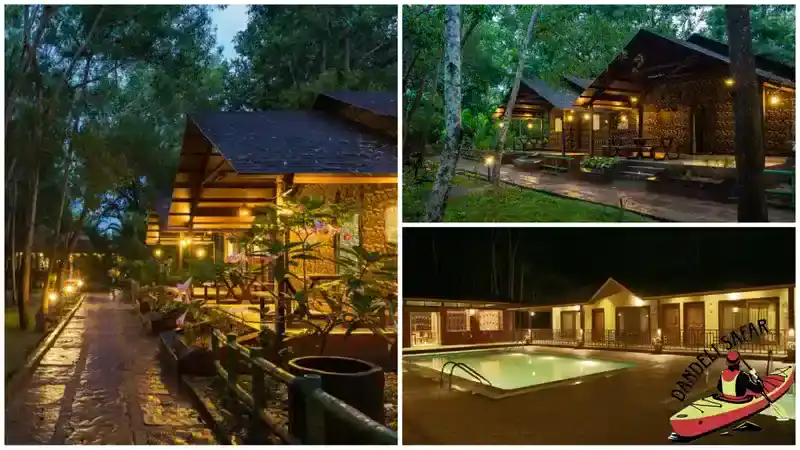
Illuminated Dandeli resort at night surrounded by lush Western Ghats forest

Dandeli Photography Guide: Sunrise Angles, Gear, and Workflow

This Dandeli Photography Guide translates location knowledge, simple gear choices and practical workflows into repeatable photographic outcomes for both DSLR and mobile creators. The guide is written for travellers who want to return from Dandeli with a curated set of images—river reflections at dawn, layered forest compositions, intimate bird portraits and night-sky frames—without compromising safety, ethical field behaviour or local regulations. Location-first thinking is central: we describe high-yield spots by time-of-day and light conditions (river backwaters and timber bridges at sunrise, canopy clearings for mid-morning bird portraits, and open meadows for Milky Way attempts after moonset). Each location entry explains safe footing, likely foregrounds, and the kinds of lenses and shutter speeds that tend to succeed there so you can pack and plan with precision. Scout during daylight to mark safe trip paths and avoid last-minute scrambling at dawn. Gear guidance focuses on getting the right balance between portability and capability. Recommendations include a versatile wide-to-standard zoom for landscapes and low-light frames, a telephoto for wildlife and compressed river scenes, a stable travel tripod for long exposures, and fast primes or a competent mobile sensor for low-light handheld work. Battery and storage management forms a key operational section—daily backup routines, a lightweight folder structure for quick edits, and practical tips on conserving battery in colder dawn hours or during long boat rides. Workflow sections are intentionally practical: quick camera presets for forest greens and river blues, a simple RAW-to-JPEG edit pipeline that saves time without losing quality, and export settings for web and social sharing that preserve colour and crop safely. Night photography guidance covers fundamentals—manual exposure, star-tracking basics, and foreground-lighting techniques—along with safety checks like avoiding trek into unlit areas and carrying compact headlamps with red-light modes. Ethical and operational best practices are emphasised: avoid flash near wildlife, request consent before photographing people in villages, follow forest department restrictions for drone use, and prioritise guides' instructions to protect sensitive zones. The guide finishes with sample day plans tailored for different creators (mobile-first, landscape-focused, or wildlife-intense itineraries), precise checklists for shooting days, and contingency suggestions if weather or activity windows change. The tone is educational and factual—no sensational claims—so photographers can plan technically sound, legally compliant and low-impact shoots in Dandeli.

Great hornbill bird spotted during bird watching in Dandeli Wildlife Sanctuary

Dandeli Birdwatching Guide: Habitats, Species, and Dawn Trails

This Dandeli Birdwatching Guide is an operational, habitat-focused manual designed for both newcomers and experienced birders who want reliable approaches to spotting emblematic Western Ghats species—hornbills, kingfishers, barbets and a wide array of resident and migratory passerines—without compromising ethical field behaviour or local regulations. The guide explains which microhabitats (riverine edges, canopy corridors, bamboo groves and riparian shrub) produce the highest species diversity at different times of year, and it provides precise timing cues so birders can plan dawn and dusk outings to overlap with peak activity windows. We categorise observation zones by accessibility and expected species groups: Ganeshgudi backwaters and river islands for waterbirds and hornbills, Kulgi and Maulangi trails for canopy specialists and drongos, and timber-yard viewpoints for kingfisher and wader sightings. Each entry includes safe access notes (how to approach hides, where to keep boats or vehicles anchored, and points where forest permits are required) and practical tips on how to set up a riverside hide or use a bean bag for steady telephoto work. Field gear recommendations are concrete: binoculars (8x42 or 10x42), a telephoto lens when possible, a compact tripod or bean bag for river boats, lightweight field guides or offline birding apps, and small notebooks for logging sightings. We emphasise sound-recording etiquette and teach how to use call-playback sparingly and only under expert guidance to avoid disrupting breeding territories. Seasonality sections explain why November–March is the general high-season for activity and migrants, while pre-monsoon and monsoon windows reveal breeding plumages and nesting behaviours that can reward patient observers. Practical itineraries balance river safaris with dawn canopy walks and guided hide sessions to give a mix of distant and close-up observation opportunities. Ethical birding and safety are core themes: keep quiet, remain on marked trails, avoid nest disturbance, respect distance guidelines and follow forest staff instructions. Booking checklists cover how to reserve naturalists, coordinate early pickups, obtain required permits and align group sizes to minimise disturbance. The guide concludes with quick-reference checklists and contingency options—if heavy rain cancels a river session, recommended alternatives include village eco-visits, canopy observations from staff-approved viewpoints, or guided indoor talks that deepen field knowledge. The writing is factual and actionable to help birders plan productive, low-impact visits to Dandeli.

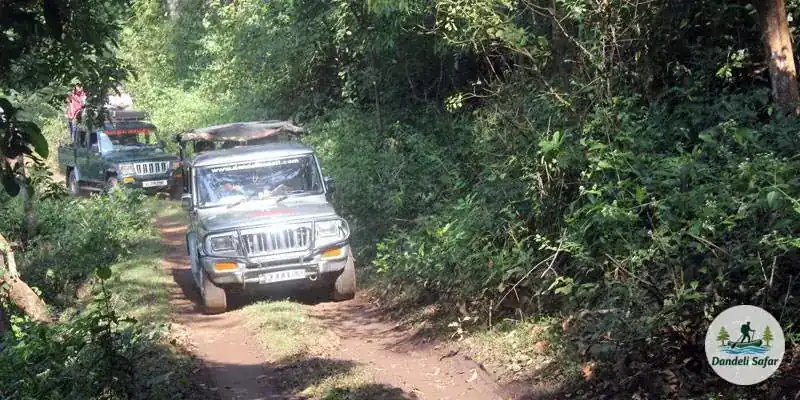
Jeep safari through dense Dandeli forest trails for wildlife spotting adventure

Dandeli Wildlife Guide: Species Checklist, Habitats, and Ethics

This Dandeli Wildlife Guide is a practical, conservation-first resource for visitors who want repeatable, low-impact ways to observe wildlife around the Kali Tiger Reserve and neighbouring forest tracts. The extended excerpt translates habitat context into field-ready advice: understand the main habitat zones (riverine banks, moist deciduous canopy and rocky outcrops), set realistic expectations for sightings, and prioritise ethical viewing practices and appropriate equipment—binoculars, field notes, neutral clothing and quiet observation techniques—rather than chasing improbable encounters. Operationally, the guide explains how authorised safaris and guided walks are organised, why staying inside vehicles or at designated viewpoints benefits animal welfare, and which seasonal windows concentrate animal activity near water. It provides actionable tips on where to position yourself for dawn and dusk views, how to read animal signs (tracks, droppings and alarm calls), and which routes historically favour herbivore sightings versus canopy bird activity. A concise species checklist covers commonly observed mammals (gaur, spotted deer, sambar), birds (Malabar and greater hornbills, drongos, woodpeckers) and reptiles (monitor lizards, marsh crocodiles), with a reminder that wildlife encounters remain probabilistic and improve with multiple outings across different routes. Ethical conduct is central: keep distance, avoid flash photography, follow naturalist and guide instructions, do not feed wildlife, and respect closure notices for breeding or restoration zones. Photography guidance recommends telephoto lenses, silent camera modes, and patient framing that does not prompt vehicles to chase animals. For birdwatchers and families, the guide includes short, timed walk templates for dawn birding and child-friendly viewing points with accessible approaches. Conservation linkage and visitor impact are practical, not performative—report rare sightings responsibly to reserve authorities, reward careful guiding with constructive feedback and appropriate gratuities, and choose operators who follow forest department rules and contribute to local conservation efforts. Seasonality notes advise when to prioritise safaris (post-monsoon to pre-monsoon) versus river-based activities, and contingency planning recommends alternative educational experiences—village eco-visits, river viewpoint sessions, or naturalist talks—when core zones are closed. The goal is concrete: give travellers the questions to ask before booking (permit needs, vehicle capacities, guide qualifications), checklists for packing and timing, and the field behaviours that create safer, repeatable wildlife experiences while supporting habitat protection and local livelihoods. The tone remains factual and verifiable—no sensational promises—so visitors can plan trips that are respectful, educational and resilient to changing field conditions.

Real Nature, Real Adventure

Explore Dandeli with Us

50% OFF White Water Rafting

Exclusive discount when booked with any resort package

600300/personSAVE ₹300